How to Use Lemon Vibrators for Better Orgasms With Sensory Sensitivity
If you've ever picked up a standard vibrator only to feel like your nervous system was being jackhammered, you're not alone. Sensory sensitivity is real, common, and fixable.
Sensory Guide
If standard vibrators feel too intense or overwhelming, lemon clitoral vibrators work differently. Here's why they're gentler, and how to use them to reach deeper satisfaction.
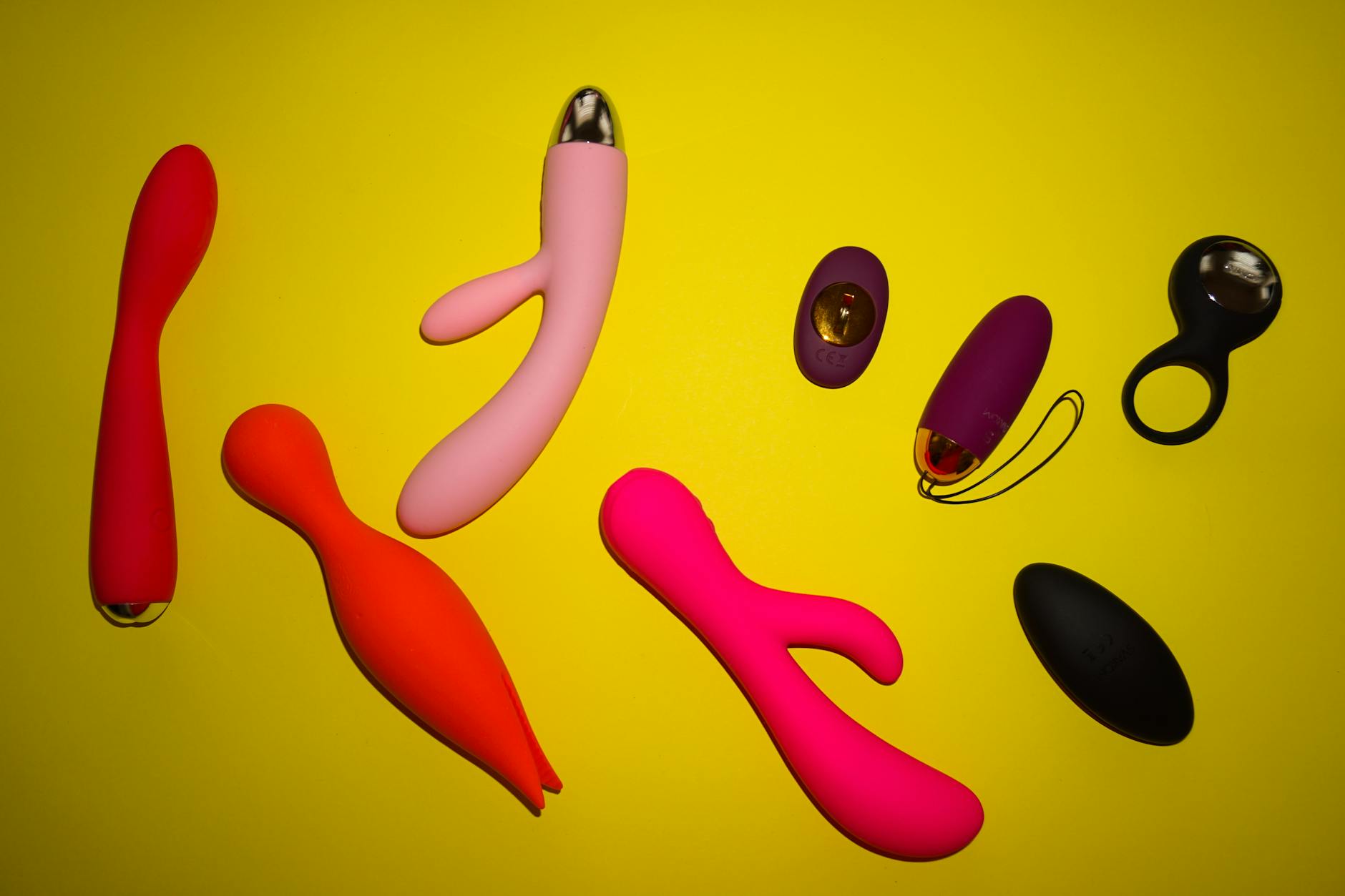
If you've ever picked up a standard vibrator only to feel like your nervous system was being jackhammered, you're not alone. Sensory sensitivity is real, common, and fixable.
Most vibrators rely on high-frequency oscillation that broadcasts sensation everywhere at once. For people with sensory processing sensitivity, endometriosis, nerve pain, or just a naturally reactive clitoris, that feels less like pleasure and more like an alarm. Lemon vibrators work on an entirely different principle. Instead of rapid vibration, they use gentle suction and wave patterns that build sensation gradually. The result? Easier orgasms, less overwhelm, and pleasure that actually feels intentional rather than invasive.
Here's how to use them if you've always found standard vibrators too intense.
Let's talk mechanics. A traditional vibrator oscillates at roughly 7,000 to 10,000 times per second. That's technically pleasurable for some people. For others, it's like trying to read while someone's shaking the table.
Lemon clitoral vibrators use air-pulse or suction technology instead. The sensation mimics the warm, gentle pressure of oral contact. Your clitoris has thousands of nerve endings, and they respond better to sustained pressure and wave patterns than to rapid vibration. The stimulation ramps up slowly, which gives your nervous system time to register pleasure rather than reflexively tensing up.
For people with sensory sensitivity, this difference is everything. You get deeper, longer-lasting arousal because the stimulation doesn't trigger a protective shutdown. Your body stays open instead of bracing for impact.
Even with a gentler technology, sensitivity matters. The lem vibrator typically has 7-10 intensity settings. Most sensitive users need to start at setting 1 or 2, then work up over several sessions.
Here's the key difference from standard vibrators: you won't be tempted to jump to high settings because low settings actually feel good. With traditional vibrators, people often crank the intensity because low settings feel distant or numb. With lemon vibrators, even the lowest settings create noticeable sensation because suction distributes stimulation across the nerve-rich clitoral area rather than hammering one tiny spot.
Take your time. Spend at least two or three sessions at each setting before moving up. Your nervous system needs time to learn what pleasure feels like without the fight-or-flight response.
Sensory sensitivity doesn't stop at touch. Sound, light, temperature, and even fabric can either help or hinder your ability to stay present.
Dim the lights or turn them off entirely. Harsh overhead lighting activates the sympathetic nervous system, which is the exact opposite of what you want. Use candlelight or a dim lamp if you need to see.
Temperature matters too. Keep the room comfortably warm. Cold temperatures trigger a stress response that makes the clitoris less responsive and more protective. A cozy blanket or heated room keeps your body in a receptive state.
Cotton or silk against your skin, not scratchy materials. If sensory sensitivity runs through your whole body, your clothing and surroundings should reflect that. Some sensitive people find it easier to start completely nude; others prefer soft, unrestricted clothing.
Mute notifications, use a Do Not Disturb setting, and honestly, lock the door. The background anxiety of potentially being interrupted is a sensory input your system will process as threat.
Partner sex with sensory sensitivity can feel like navigating a minefield. You want intimacy, but overstimulation kills arousal. Lemon vibrators actually make partnered sensitivity easier to manage.
First, let your partner know that you're using a toy not because they're insufficient, but because your nervous system has specific needs. This isn't a referendum on them. How to Use Lemon Vibrators With a Partner goes deeper into communication, but the short version is: clarity removes performance pressure.
Second, use the lem vibrator during foreplay rather than as a replacement for penetration. Start on low setting while you're being touched or kissed. This layered stimulation helps sensitive systems integrate sensation instead of fixating on one input.
Third, take breaks. Sensitive systems fatigue faster. You might have a 20-minute arousal window before your nervous system says "enough," and that's fine. Stop when you need to, cuddle, and come back later. Pushing through overstimulation trains your body to brace, not to relax.
If you have vulval sensitivity, dermatitis, or reactions to most lubes, this matters: water-based lubrication is essential with lemon vibrators, and quality matters.
Some sensitive people find that even standard water-based lubes trigger irritation because they're formulated with osmolytes that can dehydrate tissue. Look for lube made specifically for sensitive skin, or use plain coconut oil if you're using a silicone toy (and yes, you can use coconut oil with silicone toys from Hello Nancy; it won't cause damage).
Apply lube generously and reapply as needed. Sensitivity often means thinner or less naturally lubricated tissue, so external lube does real work. Don't skimp.
If you're sensitive in the vulval vestibule (the area around the opening), you might find that the lem vibrator is actually easier on this tissue because it doesn't require the direct friction that traditional vibrators do. The suction sensation is less mechanically taxing on already-tender areas.
With sensory sensitivity, the goal isn't necessarily multiple orgasms or explosive release. It's sustained pleasure that doesn't feel like a threat.
Start with 15-20 minute sessions. Keep the setting low. Focus on breath: in through your nose, out through your mouth, slowly. Your nervous system is driven by breath, and slow exhales activate the parasympathetic system, which is literally the system that controls arousal and pleasure.
Notice what sensations actually feel good versus what feels like too much. Sensitive people often have been told that they "should" like things that actually make them uncomfortable. Your job is to ignore that voice and pay attention to your actual body.
Many sensitive people report that lemon vibrators make orgasms easier after 40, partly because they've stopped trying to feel what they think they should feel and started paying attention to what they actually do feel. That's the move here too. Drop the performance model entirely.
There's a category of sensory sensitivity that's actually pain: vulvodynia, endometriosis, or vaginismus. If touch triggers pain rather than pleasure, that's not something a toy fixes. That's something you work through with a pelvic floor physical therapist or a specialized gynecologist.
Lemon vibrators can be part of your recovery toolkit after that work, but not the whole story. If you're in pain, get evaluated first. Then, once you've cleared sensitivity with a specialist, the lem vibrator becomes a tool for rebuilding positive sensation without retraumatizing your nervous system.
Sensory sensitivity isn't a flaw. It's a feature. Your nervous system is attuned. That means you feel more, which can be painful, but also means that when something is right, you feel it deeply. Lemon clitoral vibrators are engineered for that nervous system. They don't fight your sensitivity; they work with it.
Orgasms from a lem vibrator often feel different too. Instead of a sharp peak, sensitive people describe a building, rolling sensation that's more about sustained pleasure than explosive release. That's not worse. For a lot of people, it's actually better.
You deserve pleasure that feels good in your actual body, not in some theoretical version of a body that isn't yours. That's where lemon vibrators and sensory sensitivity finally meet.
Start at setting 1, the absolute lowest. Spend at least 2-3 sessions there before even considering level 2. Your nervous system needs time to learn that this sensation is safe. Once low settings feel familiar and pleasurable, you can slowly work up. Many sensitive users find their sweet spot at levels 2-4 and never go higher, and that's completely normal.
Yes, it can. Overstimulation can make your nervous system more protective over time, which makes arousal harder. This is why starting low and staying there matters. You're retraining your body to recognize pleasure as safe. Using something that feels like an assault does the opposite.
Yes, significantly. Some sensory sensitivity is triggered by sound, and the auditory input of a loud vibrator can be as overwhelming as the physical sensation. The lem vibrator is designed to be quiet, which is actually protective for sensitive nervous systems.
That depends on your specific pain patterns and where your lesions are. Many people with endometriosis find that the gentle suction of a lem vibrator is less triggering than traditional vibrators. But check with your gynecologist first, especially if you have vulval or clitoral pain.
Yes, and many people do. Pelvic floor physical therapy actually works better when your nervous system can relax. A gentle lemon vibrator can help you experience arousal without tension, which reinforces what your therapist is teaching you. Just clear it with them first.
Not necessarily. Sensitivity and intensity are different things. You might always prefer lower settings, which is fine. But some people find that as they rebuild trust with their body through gentle play, their capacity for varied sensation increases naturally. Don't rush it. Your baseline might just be lower, and that's a feature, not a bug.
If sensory sensitivity has kept you from pleasure, know that it's not a permanent barrier. Lemon vibrators are genuinely designed for how your nervous system actually works. Start low, be patient, and trust what feels good. Your body knows what it needs. The lem vibrator just listens better than most tools do.
If you have questions about how to get started, we're here. Reach out any time.