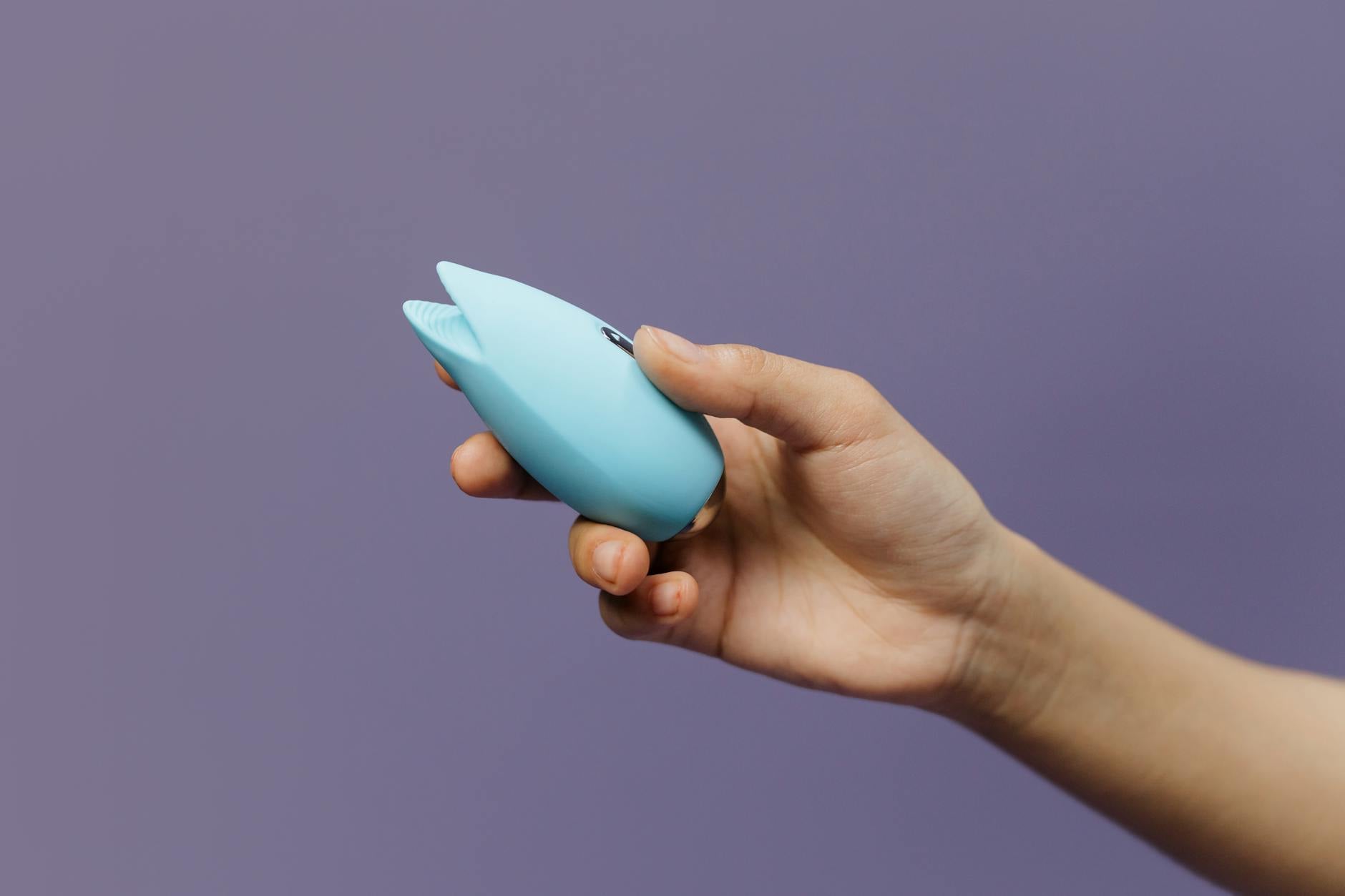
How Lemon Vibrators Can Help After Pelvic Floor Physical Therapy
Your pelvic floor therapist retrained your body. Now comes the part they don't always mention: how to rebuild pleasure safely, with tools designed for sensitivity.
You finish your last session. Your pelvic floor therapist high-fives you. And then silence. Nobody explains the next chapter: what happens to pleasure after months of retraining tension, relaxation, and control.
If you've been through pelvic floor physical therapy (whether for pain, incontinence, or post-pregnancy recovery), your body just spent weeks or months recalibrating. That's incredible progress. But it also means your nervous system needs a thoughtful reintroduction to pleasure, not a return to whatever you were doing before.
Lemon clitoral vibrators, specifically their suction-based design, are genuinely useful here. Not as a magic fix, but as a precision tool that works with your freshly retrained pelvic floor rather than against it.
Pelvic floor PT does something profound: it teaches your muscles when to engage and when to release. If you came in with hypertonia (too much tension), you learned to soften. If you came in with hypotonia (too little tone), you learned to strengthen. Either way, your nervous system is hypersensitive to stimulation right now.
Here's what that means for pleasure.
A traditional vibrator pattern—the buzzing, repetitive intensity of a wand or standard toy—can feel jarring. Not bad exactly, but too much. It can override the work you just did, triggering unnecessary tension or numbing that's counterproductive.
Lemon vibrators, and specifically air-suction clitoral vibrators like the Lem, work differently. Instead of vibration, they use gentle suction waves that stimulate nerves without the mechanical repetition. For a pelvic floor fresh out of PT, that gentleness matters.
Your clitoris has about 8,000 nerve endings concentrated in a tiny area. During pelvic floor therapy, you've been building awareness of how those nerves communicate with your pelvic floor muscles and your brain. That's healthy hyperawareness.
Vibration stimulates those nerves in a linear, repetitive way: buzz, buzz, buzz. Suction is different. It creates waves of pressure that work more like the stimulation a partner might provide with their mouth—something your pelvic floor knows and recognizes.
Lower intensity at baseline also means you're not overloading a nervous system that's still learning to integrate pleasure with control. You can literally feel what's happening rather than being swept away by sensation.
Think of this as a second physical therapy phase, but for pleasure.
Start low and slow. If your lemon vibrator has multiple intensity settings, spend a full week or two at the gentlest pattern. This isn't deprivation. It's the opposite. You're teaching your body that pleasure doesn't require maximum intensity to be satisfying.
Solo practice first. If you have a partner, don't skip this step. Alone, you can focus entirely on what feels good without any self-consciousness or performance awareness. Your pelvic floor relaxes more fully.
Notice the signals. Mild tension or discomfort early on isn't a sign you're broken. It's feedback. If something creates acute pain (different from mild discomfort), pause. But mild sensation usually means your nervous system is waking up safely.
Lube matters. Even if you don't typically need it, a little water-based lubricant can reduce friction and make sensation cleaner. Your tissues are recalibrating. Support them.
The suction design of lemon sexual toys makes them distinctly different from other clitoral vibrators. They don't work through blunt force. They work through waves of gentle pressure that feel more like oral sex than any other toy on the market.
For someone fresh out of pelvic floor PT, that matters because your pelvic floor knows the shape of that sensation. It doesn't feel foreign or alarming. It feels like a familiar form of pleasure, just delivered differently.
Photo by cottonbro studio on Pexels
Lemon clitoral vibrators are also smaller and more focused than wand vibrators. You're not applying stimulation across a large surface area. You're concentrating it precisely where you need it. That precision is particularly valuable when you're rebuilding your relationship with your own pleasure.
If you have a partner, this phase is also about communication. Your pelvic floor isn't the only thing that's been retrained. Your pleasure preferences might have shifted. Intensity that felt good before PT might feel overwhelming now. That's normal.
A lemon clitoral vibrator can actually facilitate this conversation. Because the stimulation is gentler and more focused, partners often feel less pressure to "perform." You can use it together while they touch you elsewhere. You can use it during partnered sex. The point is that it opens options rather than closing them.
Consider this: if you spent months learning to consciously relax your pelvic floor, the last thing you need is a partner performing sex in a way that recreates old tension patterns. A lemon sucker gives you a tool that supports relaxation and pleasure simultaneously.
Most people feel comfortable with more intensity around week three or four of casual pleasure exploration. Some take longer. Neither is wrong.
By week six or eight, many people find that their pleasure has actually expanded. Not because their anatomy changed, but because they're now conscious of what's happening. You know how to access your own arousal and pleasure more efficiently. Your pelvic floor cooperates instead of interfering.
That's the real win. You're not just recovering. You're optimizing.
If acute pain returns during pleasure, mention it at your next appointment. Sharp pain is different from the mild discomfort of reintroduction. Your pelvic floor therapist can assess whether you're triggering old patterns or if something else is at play.
Similarly, if pleasure feels completely absent weeks into reintroduction, that's worth discussing. Sometimes the nervous system needs a bit more time. Sometimes there's a secondary issue. A good therapist will help you figure out which.
Here's what I want you to know: rebuilding your relationship with pleasure after pelvic floor PT isn't indulgent. It's part of recovery. Your pelvic floor therapist helped you regain control and ease. Now you get to experience what that control actually enables.
Lemon vibrators, with their suction design and lower baseline intensity, are genuinely useful for this phase. They work with your freshly retrained body rather than against it. They give you precision and gentleness simultaneously.
And that combination is exactly what you need right now.
Most physical therapists recommend waiting one to two weeks to give your nervous system a window of integration time. During those final sessions, ask your therapist specifically when they feel comfortable with you reintroducing pleasure. Some therapists have guidelines. But yes, lemon clitoral vibrators are among the gentlest options when you do restart.
No, provided you start with low intensity. The entire point of pelvic floor PT is to give you conscious control over tension and relaxation. Pleasure tools don't undo that. They actually reinforce it, because you're learning to maintain relaxation during stimulation. That's exactly what your pelvic floor therapist wants.
Yes, generally. The suction mechanism is quieter than traditional vibration. If you're concerned about noise, that's another reason lemon adult toys work well in recovery. Less sensory overwhelm all around.
Start with the lowest setting and keep sessions short: five to ten minutes maximum. Pair it with a partner's touch elsewhere on your body so stimulation feels distributed rather than focused. Or focus on external stimulation only, nowhere near the pelvic floor itself. You're building tolerance and confidence, not chasing sensation.
Absolutely. Water-based lubricant is your friend during recovery. It reduces friction and makes sensation cleaner and more comfortable. It's not cheating. It's support.
This is the distinction that matters: Normal post-PT sensation is mild, present while you're using the toy, and resolves quickly after you stop. Sharp pain, pain that lingers, or pain that worsens with use is worth flagging to your therapist. When in doubt, ask. That's what your physical therapist is there for.
If you want to dig deeper into pelvic floor recovery and pleasure, check out your physical therapist's recommended resources. Many PT clinics have patient education materials specifically about sexual function recovery. The International Continence Society and the American Physical Therapy Association also publish evidence-based guidelines on this topic.
Your pelvic floor did the hard work. Now you get to enjoy the payoff. Reach out to Hello Nancy's team if you have questions about which tools might work best for your specific situation.