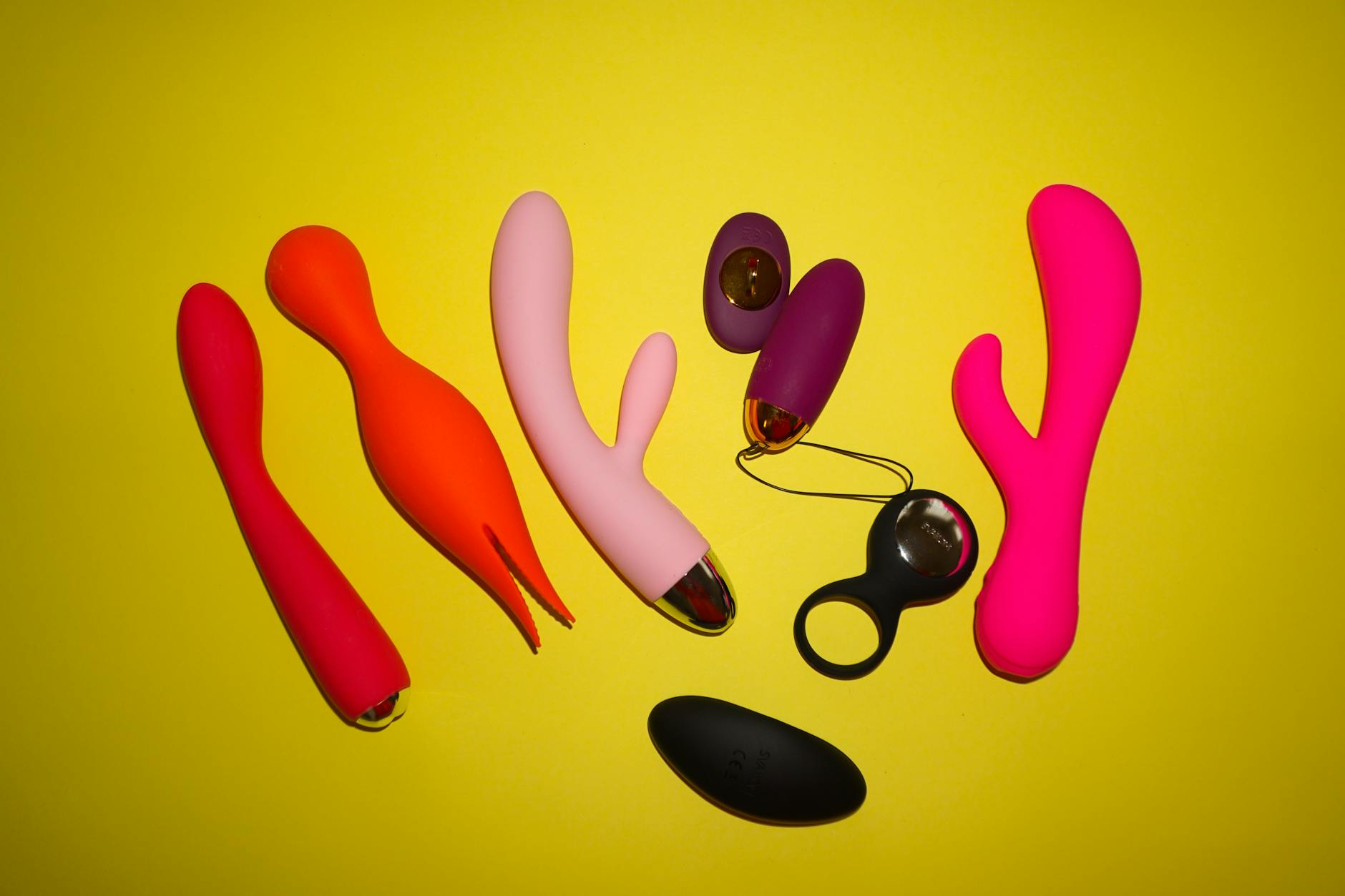
How Lemon Vibrators Help When Pleasure Feels Absent After Trust Breaks
When betrayal locks down your arousal, your body isn't broken. It's protecting you. Here's how clitoral vibrators can help you safely reconnect with sensation and reclaim pleasure on your own terms.
When someone you trusted betrays you, your nervous system doesn't file it away as "relationship problem." It codes it as danger. Your body's job is to protect you, and one of the ways it does that is by shutting down pleasure pathways. Arousal requires vulnerability. Trust broken means those doors slam shut.
I've worked with countless people who report the same thing after betrayal: nothing feels good. Not touch from their partner, not solo play, not even things that used to light them up instantly. It's not that desire disappeared entirely. It's that your body's threat detection system is working overtime, blocking access to pleasure as a survival mechanism.
The good news? That shutdown isn't permanent. But rebuilding sensation after trust issues takes a different approach than the standard "try to relax" advice.
Most vibrators rely on intensity to feel good. Speed, power, direct stimulation. When you're in a state of nervous system activation after betrayal, intensity reads as threatening, not pleasurable. It can feel invasive or jarring rather than good.
Lemon clitoral vibrators work differently. They use gentle suction rather than vibration alone, which creates a sensation of drawing rather than hitting. That distinction matters enormously when your nervous system is guarded. Suction feels like something is inviting sensation out of you, rather than forcing stimulation onto you. You're not being stimulated to. You're being drawn into the experience.
This is why people who've experienced relationship trauma often report that lemon vibrators feel fundamentally safer to explore with than other clitoral vibrators.
Rebuild in this order. Not because you need permission, but because your nervous system needs evidence that pleasure is safe before you can access it with a partner again.
Week one: sensation without expectation. Use a lemon vibrator on the lowest setting (pattern 1) for five to ten minutes. Don't aim for arousal or orgasm. Your only job is to notice what sensation feels like. Some people report feeling almost nothing at first. That's normal. Your nervous system is still in protection mode. Stick with it.
Week two: add texture and temperature. Keep using the lowest settings, but pay attention to how sensation changes when you use lube, when the toy is warm, when you're in a particular environment. The goal is data gathering, not results.
Week three: notice arousal cues. By now, your body might start sending small signals. A flutter. Slight warmth. Don't push these. Notice them. Naming what's happening ("Oh, that felt like my body responding") is part of rebuilding trust with your own body.
Week four and beyond: gradually increase intensity. Only if and when earlier weeks felt genuinely good. Not because you should, but because you want to.
When trust is broken, the body often stops producing natural lubrication, even during solo play. This is a physiological stress response, not a sign that you're not turned on enough.
Use a good water-based lubricant throughout this rebuilding process. Not because anything is wrong with your body, but because lubrication removes friction and friction can feel aggressive when you're defensive. Smooth sensation is easier for a guarded nervous system to interpret as safe. The lemon sucker glides better with lube, and that difference is huge psychologically. You're not fighting against dryness. You're adding a layer of ease.
Reapply halfway through your session. Dry spots can register as jarring to a nervous system in threat mode.
Find a private space where you won't be interrupted. Interrupted arousal, even if the interruption is accidental, can re-traumatize. Your nervous system needs to feel that you have complete control over the experience.
Start clothed. Sounds odd, but it creates psychological distance. You're not committing to anything. You're just exploring. Gradually remove layers as you feel ready. There's no timeline.
Focus on breath. When trust is fractured, people often hold their breath during solo play because breathing feels like letting your guard down. Notice when you're holding. Consciously exhale. Breathing signals to your nervous system that the environment is safe. Your nervous system believes your breath more than it believes your thoughts.
Use the lowest settings first, always. The lemon clitoral vibrator's pattern settings go from gentle to intense. Start at one. If that feels good, stay there for your entire first session. Don't reach for intensity. Intensity is the opposite of what you're rebuilding right now.
Some people find that pleasure comes back before trust does. You might notice that solo play with a lemon vibrator feels good, but the thought of sharing this with anyone still triggers anxiety. This is completely normal and actually a sign that the rebuilding is working.
Your body is healing faster than your emotional trust. That's fine. Keep doing solo work until solo play genuinely feels relaxing and fun. Your body needs consistent evidence that pleasure is safe before it can extend that trust to another person.
Here's something I've learned in twenty years of couples work: betrayal creates narratives. "I can't feel pleasure because I'm broken." "My body is shutting down because I'm damaged." "I'll never trust anyone again, so what's the point?"
Your nervous system isn't broken. It's doing exactly what it's designed to do: protecting you. Rebuilding means separating the sensory experience ("My body responded to the lemon vibrator") from the story your trauma is telling ("But that doesn't mean I can trust again").
Sensation work with a lemon clitoral vibrator helps because it gives you something true to focus on: what does my body actually feel right now, separate from what my mind believes about myself and relationships.
I want to be clear about something: using a lemon vibrator won't fix the trust that was broken. It won't repair the relationship. And it doesn't mean you're "ready" for anything you're not actually ready for.
What it does is this. It gives your nervous system evidence that pleasure is still accessible to you. That your body isn't broken. That intimacy with yourself is something you can control, regulate, and enjoy on your own timeline. That's reclamation. That's power. And that's the foundation everything else rebuilds on.
There's no standard timeline. Some people notice shifts in a few weeks. Others take months. The key is that you're not aiming for speed. You're aiming for genuine, felt sensation. A nervous system that's been through betrayal needs time to downshift from threat mode. Using a lemon vibrator is part of that process, but so is therapy, so is time, so is establishing safety in other areas of your life.
Yes, but intentionally. Not as a workaround for the trust issue, but as a separate experience. You might explore together with the understanding that this is about sensation, not intimacy yet. Some couples find that how lemon vibrators help when you feel disconnected during solo play is a helpful starting point for understanding how the toy can fit into reconnection without pressure.
Completely. Your nervous system is still in protection mode. It hasn't sent the all-clear signal to your pleasure pathways yet. Keep going. Data gathering matters more than sensation right now. You're teaching your body that the experience is safe.
That's actually important information. It means your nervous system trusts itself but hasn't re-established safety with your partner yet. That's a separate conversation. Some couples benefit from starting very small, like sitting close together while you're using the clitoral vibrator solo. How to use lemon vibrators when arousal feels disconnected from physical sensation explores this dynamic in depth.
No. Using a clitoral vibrator during recovery is just a tool. It's not a marker of success or failure. Some people heal faster than others. Some people need extra support for their nervous system. Using a lemon vibrator is intelligent self-care, not a shortcut or a sign of being broken.
They can be part of reclamation, but go slower. Much slower. Your nervous system has specific trauma around pleasure itself. Start with vibration on the lowest settings and consider working with a trauma-informed therapist alongside your physical exploration. Pleasure isn't the goal initially. Safety is.
Rebuild in layers. Sensation before arousal. Solo experience before partner experience. Your own nervous system's timeline before anyone else's expectations. A lemon vibrator is a tool in that process, not the solution. But it's a tool that your body might find genuinely safe to explore with right now, and that matters.