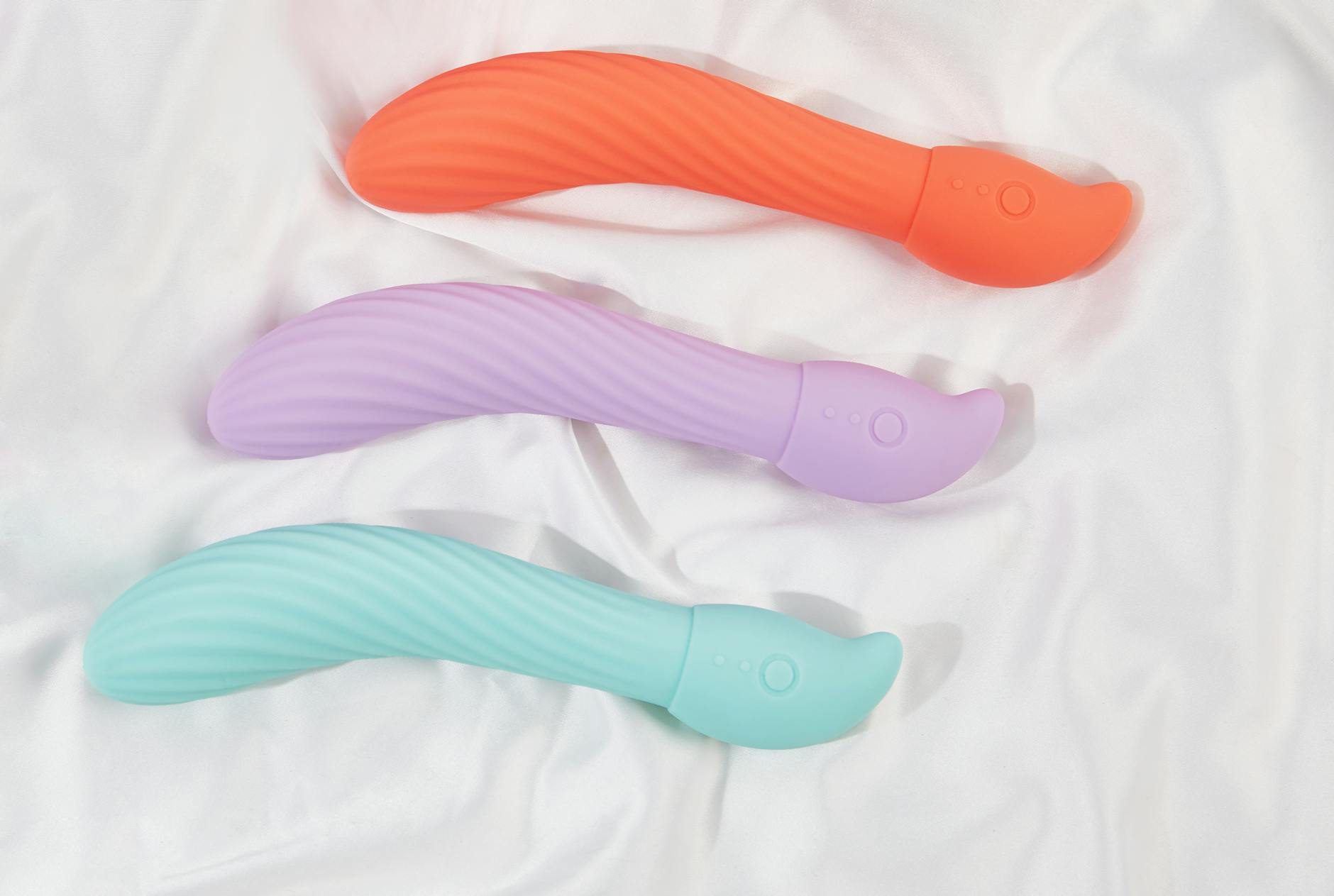
How Lemon Vibrators Improve Sensation During Pelvic Floor Relaxation Exercises
The paradox nobody talks about: sometimes the fastest way to release pelvic tension is to add pleasure-based stimulation. Here's exactly why lemon vibrators work.
You've done your pelvic floor relaxation work. You've breathed, you've stretched, you've maybe even seen a physical therapist. But something still feels tight, guarded, unreceptive. Here's the thing: tension isn't just physical. It's neurological. And sometimes the fastest way to reset those neural pathways isn't through another breathing exercise. It's through pleasure.
That's where lemon vibrators and clitoral suction stimulation enter the conversation. Not as a magic fix, but as a legitimate tool that actually changes what's happening in your nervous system.
The pelvic floor muscles work on a feedback loop. When you tell yourself "relax," your nervous system hears urgency. Paradoxically, the more you try to force relaxation, the more your body grips. It's the mental equivalent of telling yourself "don't think about this" and thinking about it immediately.
This is especially true if pelvic floor tension has developed over months or years. The muscles have learned to hold. Your brain has learned to expect tightness. Breaking that pattern requires more than willpower.
What does work is shifting the nervous system state entirely. When you introduce pleasure-based stimulation, you're not asking the muscles to relax. You're asking the brain to switch into a receptive, pleasured state. The relaxation follows as a side effect.
There's a specific reason lemon clitoral vibrators are particularly effective here. Unlike penetrative toys or wand vibrators, the suction-based mechanism of the Lem works through gentle pressure and rhythmic waves rather than direct friction. This means several things happen at once:
The stimulation is distributed, not concentrated. The clitoris has thousands of nerve endings, but they're not all in one spot. Suction-based stimulation engages the entire clitoral complex, including the internal parts you can't see. This creates a fuller, more diffuse sensation that feels less like pressure and more like an expansion.
The intensity can start incredibly gentle. Pelvic floor tension often means the tissues are already sensitive. The Lem's lowest settings deliver sensation without intensity, which matters when you're working with a guarded body. You can begin at pattern 1, which most people describe as barely there. That gentleness is the entry point.
The rhythm is hypnotic. Your nervous system loves patterns. Lemon vibrators use wave patterns that mimic natural arousal rhythms, which your body recognizes as safe and pleasurable rather than threatening. This is different from the buzz of a traditional vibrator, which can feel aggressive to a tense system.
When you experience pleasure, your parasympathetic nervous system activates. This is the "rest and digest" state. Your cortisol drops. Your blood pressure lowers. Your muscles release. This isn't just nice. This is physiological relaxation that no amount of forcing can replicate.
Here's the clinical observation: when pelvic floor tension is paired with anxiety, trauma, or chronic stress, the body learns to stay in a protective grip. The relaxation response from pleasure actually rewires that learned response. You're teaching your body that sensation can mean safety. That stimulation doesn't have to mean threat.
Over weeks and months of pairing lemon vibrator stimulation with conscious relaxation, your nervous system begins to associate the sensation with let-go rather than grip. This is why therapists sometimes recommend pleasure-based tools alongside physical therapy. They're not redundant. They work on different systems.
Here's how to use lemon vibrators as part of a pelvic floor relaxation routine:
Start with breath work first. Spend 2-3 minutes breathing before you introduce any stimulation. This sets the nervous system baseline. Slow exhales are key.
Introduce the vibration at the lowest setting. If you own a Lem vibrator, begin at pattern 1. You're not looking for orgasm yet. You're looking for the sensation to feel gentle and welcoming. If it feels intense, you're going too fast.
Practice the pause. After 2-3 minutes of stimulation, stop. Notice what happens. Does the relaxation persist? Does the tension return? This teaches your body what the relaxed state feels like when pleasure is present.
Gradually increase frequency, not intensity. Move from pattern 1 to 2 over several sessions. The goal isn't sensation escalation. It's nervous system recalibration. This takes patience.
Combine with pelvic floor physical therapy exercises. If you're doing kegels or reverse kegels, use the vibrator during the release phase. As you consciously relax the pelvic floor, layer in the sensation. This creates a multi-sensory learning moment for your nervous system.
For people returning to sexual activity after pelvic tension issues, there's an additional layer. Pelvic floor dysfunction often creates anxiety around sensation itself. You learn to fear tightness, which creates more tightness. Using a lemon clitoral vibrator in a low-pressure, self-directed context gives you control back.
You're learning that stimulation doesn't have to hurt. That pleasure is accessible. That your body can respond without gripping. This psychological reset is sometimes as important as the physical release. Once you've experienced the difference between guarded and open sensations, your nervous system has a new reference point.
If you're starting this work now, expect the first 2-3 weeks to feel subtle. You're establishing a new pattern. Around week 4, most people notice that the spontaneous tension (the kind that happens without stress) starts to lessen. By week 8, the improvement is usually significant enough that partners notice, or that you're able to engage in penetrative sex without apprehension.
That said, pelvic floor relaxation is not linear. Stress will return tension. Hormonal cycles affect it. A lemon vibrator isn't a permanent fix. It's a tool you use consistently, like physical therapy. The difference is that this tool feels good, which means you'll actually use it.
Lemon vibrators work best when paired with other approaches. How Lemon Vibrators Help With Pelvic Floor Tension and Tightness covers the physical dimension. But the mental piece matters too. If you're holding pelvic tension because of relationship stress or past trauma, a lemon clitoral vibrator alone won't address that root cause.
That's why I often recommend pairing this tool with actual conversation. If pelvic floor tension developed because you've been avoiding intimacy, the vibrator is the invitation. But the real work is saying out loud what you've been protecting against.
For people in relationships, How to Use Lemon Vibrators With a Partner offers a pathway to shared pleasure that can transform how both partners experience sensation together. Pelvic floor relaxation isn't just solo work.
You can derail your own relaxation work. The most common mistake is jumping to intensity too fast. Your brain registers intensity as urgency, which triggers the grip reflex. Slow is faster here.
Another mistake is turning this into performance. "Did I relax the right amount?" No. Relaxation isn't a metric. It's a sensation. You're learning to notice the difference between grip and release. That's the whole point.
Third: skipping days. Consistency matters more than duration. Ten minutes three times a week beats one intensive session. Your nervous system learns through repetition.
If pelvic floor tension persists after 8-12 weeks of consistent work with a lemon vibrator, or if the tension is accompanied by pain, see a pelvic floor physical therapist. They can assess whether the tension is muscular (myofascial), neurological, or structural. Sometimes what feels like tension is actually mild vaginismus or other conditions that need targeted intervention.
Please note: if penetration causes pain, don't work through it with a vibrator. Pain is information. Get evaluated first.
Pelvic floor relaxation isn't about performance or aesthetics. It's about reclaiming your body's capacity to feel without fear. A lemon sucker vibrator is just a tool. But it's a tool that says: pleasure is safe. Sensation is okay. Your body gets to let go.
Yes, but there's nuance. Daily use is safe, but the key is varying your approach. Use it 3-4 days a week for structured relaxation work, and keep the other days for rest. Your nervous system benefits from rhythm and recovery, not endless stimulation. If you use it daily, some days should be at lowest intensity to prevent habituation, where your nervous system stops responding to the sensation.
Most people notice subtle shifts in tension within 2-3 weeks of consistent use. The real changes—where tension doesn't return without stress—usually take 8-12 weeks. This timeline depends on how chronic the tension is and whether you're pairing vibrator use with physical therapy or breathing work. Acute tension relaxes faster than long-standing patterns.
Absolutely. Anxiety-related pelvic floor tension responds particularly well to pleasure-based tools because you're literally rewiring the nervous system association. Instead of tension signaling danger, it learns to signal safety through the pairing with pleasurable sensation. That said, if the underlying anxiety is untreated, the tension will return during stressful periods. Pair vibrator work with therapy or stress management.
Start at pattern 1 (the gentlest setting). The goal isn't intensity. It's gentle, consistent stimulation that helps your nervous system shift into relaxation mode. After several weeks, you might explore pattern 2 or 3, but many people find that patterns 1 and 2 are sufficient for relaxation work. The rhythm matters more than the power.
Sometimes, especially initially. If you've been holding pelvic tension for years, introducing sensation can temporarily increase body awareness. You notice the tension more because you're paying attention. This usually resolves within a few sessions. However, if sensation consistently triggers gripping rather than release, you might be starting too high in intensity. Back off to pattern 1 and extend your session length instead.
Yes, even if you have natural lubrication. A small amount of water-based lubricant makes the suction seal better and makes the whole experience feel more comfortable. This is especially true if your pelvic floor tension is accompanied by any dryness or sensitivity. The lube isn't about glide. It's about comfort and optimal suction contact.