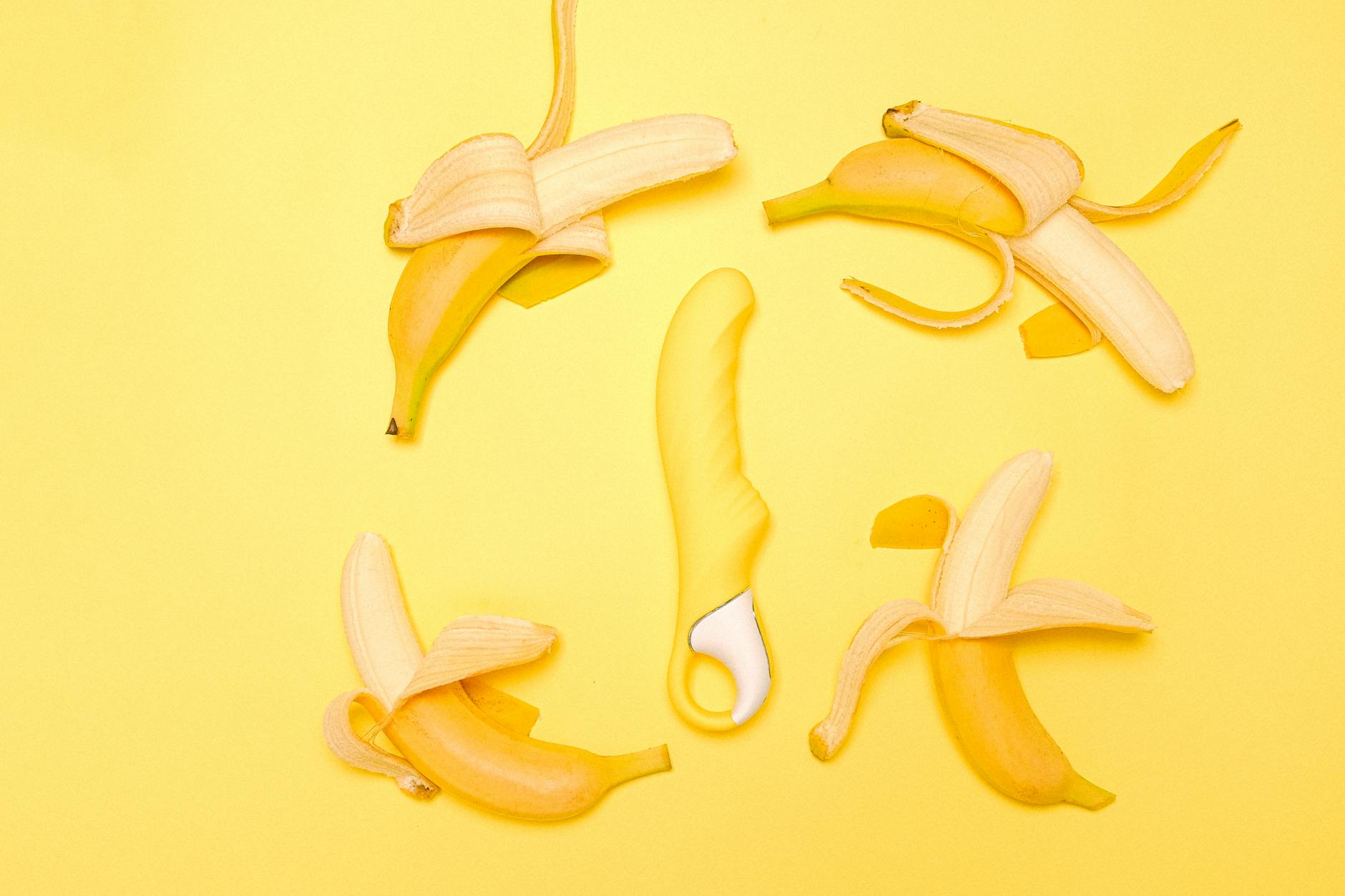
Why Lemon Vibrators Work Better When Clitoral Sensation Feels Intense or Overwhelming
Oversensitivity isn't a sign something's wrong. It's a signal your clitoris needs a different kind of stimulation. Here's why lemon sucker technology changes everything.
You're using a vibrator that felt amazing last month. This month, it feels like your clitoris is too awake. Buzzing against direct contact makes you wince. You want stimulation, but not like that. Not so much pressure, not so sharp. This is called clitoral oversensitivity, and it's way more common than you'd think.
1. Hormonal timing. Around ovulation, estrogen peaks and the clitoris swells slightly. More blood flow means more sensitivity. Some people find their clitoris feels almost raw in the days before their period. This is normal, temporary, and cyclical.
2. Repetitive stimulation. If you've been using the same vibrator on the same setting for weeks, your nerves can get over-stimulated. The sensation that used to feel good now feels like static. Your body is asking for novelty or a break.
3. Increased arousal. This one surprises people. When you're deeply aroused, the clitoris becomes hypersensitive. What feels perfect at 30% arousal might feel unbearable at 90%. It's not a problem. It's a sign you're genuinely turned on.
There's also a fourth reason I see clinically: trauma history or anxiety. If your nervous system has learned to brace against sensation, even pleasurable touch can read as too much. That one usually needs gentle attention and sometimes professional support.
Most vibrators work through direct contact. A buzzing motor presses against your skin and tissue. When your clitoris is sensitive, this feels aggressive. The pressure itself becomes the problem.
Air-suction clitoral vibrators like The Lem work differently. They create a gentle pulling sensation. Think of it like the difference between someone tapping your shoulder repeatedly (vibration) and someone cupping your shoulder with their hand and releasing the pressure slowly (suction). The stimulation is there, but it's distributed. It's gentler.
Why does this matter for oversensitivity? Suction doesn't create sharp, focused pressure. It's more diffuse. Your clitoris gets stimulation without the raw feeling of direct contact. You're getting excited, but your nervous system doesn't read it as too much.
If you own lemon vibrators or any suction device, here's what actually helps.
Start at the lowest setting. The Lem has multiple intensity levels. If you're new to managing oversensitivity, begin at pattern 1. Let yourself get used to the feeling. You can always turn it up. You can't un-feel pressure once it's there.
Don't keep it sealed tightly. A lot of people press the suction cup hard against their body to create a stronger seal. When you're oversensitive, that actually intensifies the sensation. A looser fit gives you gentler stimulation. You might feel less suction, but you'll also feel less overwhelm.
Take breaks. Use the vibrator for 2-3 minutes, then step back for 30 seconds. Let your clitoris reset. This isn't weakness. It's actually how many people with consistent oversensitivity build tolerance and pleasure. The break allows sensation to feel fresh again.
Use it externally over the hood. If direct contact on the clitoral head feels too much, move the suction cup slightly so you're stimulating the clitoral hood instead. The sensation travels to the clitoris without the raw feeling of direct pressure.
I often recommend people own multiple types of lemon sexual toys. Why? Because different bodies and different moments need different things.
When clitoral sensation is intense: air suction (like The Lem) or a soft wand vibrator. Both are gentler than direct-contact vibrators.
When you want precision: a pinpoint vibrator with adjustable speed.
When you want versatility: a device that switches between modes. Some days you need low-intensity suction. Other days you want deeper stimulation elsewhere.
The benefit of starting with air-suction lemon vibrators is that they're built for people who get overwhelmed. They're not a compromise. They're often better.
Lubricant changes everything when sensation feels raw. Water-based lube reduces friction without muting sensation. It makes everything feel smoother, less intense. This is not about needing lube because something's wrong with you. It's about using a tool that adjusts the experience.
Timing matters too. If you know your clitoris feels oversensitive on certain days of your cycle, plan masturbation for other days. Or use a different toy those days. You're not avoiding pleasure. You're respecting your body's actual needs.
Mental space is underrated. If you're anxious or distracted, your nervous system tenses. Tension makes sensation feel sharper. Take time to calm your mind before you play. This might mean 10 minutes of breathing, a shower, music you love. Arousal happens in your brain first.
If clitoral pain or oversensitivity is new, persistent, and not tied to your cycle, it's worth mentioning to a doctor. Conditions like vulvodynia or dermatological issues can show up as sudden oversensitivity. These are treatable, but they need professional eyes.
If trauma is the root, a sex-positive therapist or somatic practitioner can help rewire your nervous system's response to touch. Pleasure is learnable. Your body can unlearn the bracing response.
Oversensitivity isn't a deficit. It's information. Your clitoris is saying: "This is too sharp. I want stimulation that feels like gliding, not hammering. I want air-suction lemon vibrators, not direct contact." Listen to that.
The best masturbation isn't the most intense. It's the one that feels like your body invited it. That's where real pleasure lives.
Why does my clitoris feel tender after using a vibrator?
Overuse. If you've been stimulating for 30+ minutes, your clitoris can feel bruised or raw afterward. This is why rest days matter. Your clitoris needs recovery time, especially if you masturbate frequently. Try limiting sessions to 15-20 minutes, and leave at least one day between sessions.
Can I get less sensitive over time?
Yes, but only with the right approach. If you're oversensitive, switch to gentler stimulation (lemon sucker vibrators, air suction) rather than trying to "toughen up" your clitoris with more intense vibration. Gentle, consistent exposure helps your nervous system relax into sensation. Forcing intensity creates more bracing.
Is oversensitivity during ovulation permanent?
No. It's hormonal. Your clitoris will feel less sensitive once you move past ovulation. Track your cycle if this is a pattern. You'll likely notice oversensitivity peaks at the same time each month.
Are lemon clitoral vibrators better for sensitivity issues than other toys?
For oversensitivity specifically, air-suction vibrators including lemon vibrators are often better than direct-contact vibrators. The technology distributes pressure differently. That said, everyone's body is different. Some people with oversensitivity actually prefer a very soft, low-speed wand. Try what feels good to you.
Should I see a doctor if my clitoris is always oversensitive?
If it's affecting your pleasure consistently and isn't tied to your cycle or recent changes, yes. Persistent oversensitivity can signal vulvodynia, dermatological conditions, or nerve sensitivity. It's treatable once diagnosed.
How do I know if it's oversensitivity or just the wrong toy?
Oversensitivity is usually tied to your cycle or shows up across multiple toys. The wrong toy typically feels off with one device but feels fine with another. If suction-based stimulation from lemon sexual toys feels better than vibration, that's a clue. Your body is telling you what it needs.
Your clitoris isn't demanding more. It's asking for different. When sensation feels overwhelming, gentler doesn't mean less pleasure. It means pleasure that your nervous system can actually receive. Air-suction lemon vibrators exist because plenty of people's bodies speak this language. If yours is one of them, that's not a limitation. That's clarity.
If you want to explore what works for your specific sensitivity patterns, reach out to our team. We're here to help you find the right tool.