Pleasure and healing aren't mutually exclusive. Here's how to use gentle lemon clitoral vibrators safely when you're managing pelvic floor tension, vulvodynia, or chronic pain.
Here's the thing: chronic pelvic pain and pleasure aren't opposites. In fact, they're often tangled together in ways your doctor might not bring up and your pain specialist might not know enough to address. Many people with vulvodynia, pelvic floor dysfunction, or chronic pelvic pain have been told to avoid any sexual activity that involves the pelvic region. But that advice, while well-intentioned, can actually deepen both the pain and the emotional distance from your own body.
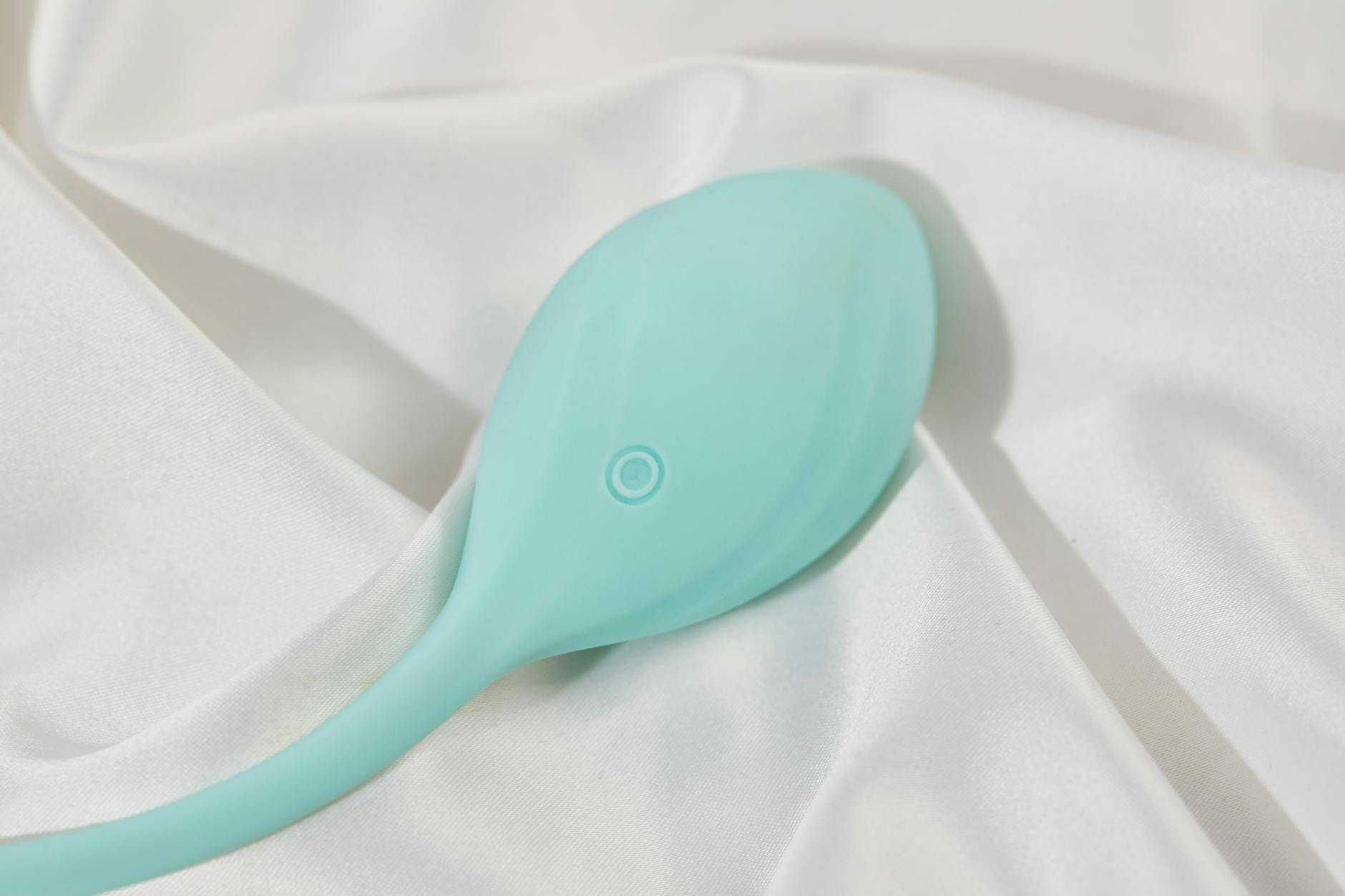
Let's be direct about what makes a lemon sucker different from other vibrators. A suction-based toy like the Lem works through gentle air-pulse stimulation rather than direct mechanical vibration. This is significant if you have pelvic pain, and here's why.
When you have chronic pelvic tension or vulvodynia, direct pressure or intense vibration can trigger pain or contribute to muscle guarding. Your pelvic floor tightens protectively, and stimulation that increases that guarding makes everything worse. Suction-based stimulation bypasses that problem. It creates stimulation through gentle rhythmic pressure changes rather than friction or forceful vibration. The tissue response is different. Your nervous system reads it as soothing rather than invasive.
The clinical term is non-threatening touch. Your nervous system recognizes it as different from the touch that's been causing pain, which gives your brain permission to relax instead of brace.
If you have chronic pelvic pain, you probably already know that normal sexual response is complicated now. Arousal might be slower. Orgasm might feel different or harder to reach. Your body might tense up protectively even when you want to relax. This isn't failure. It's your nervous system doing its job too well.
The nervous system learns. When pain has been present for weeks or months, your pelvic floor learns to stay partially clenched as a protective mechanism. That tension reduces sensation, interferes with arousal, and often perpetuates the pain cycle. Breaking that cycle requires your nervous system to learn a new pattern: that touch in this area can feel good again.
A lemon vibrator at low settings can help teach that new pattern. Not by forcing pleasure. But by offering gentle, non-threatening stimulation that shows your nervous system a different possibility. Many people report that starting with settings 1 or 2 on a lemon clitoral vibrator, used outside the area of most acute pain, allows their nervous system to gradually expand what feels safe.
If you're managing chronic pelvic pain and want to explore pleasure with a lemon vibrator, here's what I recommend based on what clients have found helpful.
Start with assessment, not stimulation. Before using any vibrator, spend a few sessions just becoming aware of your pelvic floor without judgment. Where do you feel tension? Where does it ease? This awareness is foundational. You can't guide healing if you're not present to what's happening.
Introduce the vibrator at lowest intensity. This isn't about reaching orgasm. It's about introducing a new sensory input. Turn the lemon vibrator to setting 1 and apply it to areas with less sensitivity first. Your inner thighs. Your vulva outside the most tender zones. Your lower abdomen. Let your body adjust.
Use it alongside pelvic floor relaxation techniques. Deep breathing, especially longer exhales, signals your nervous system to downregulate. Combine gentle vibration with breath work. Inhale for four counts, exhale for six. This isn't mystical. It's neuroscience. Longer exhales activate your parasympathetic nervous system.
Track what changes. After each session, notice: Did tension increase or decrease? Did sensation expand or contract? Did you feel more present or more numb? This feedback guides your next session.
Go slowly with intensity progression. If low settings feel good after a few sessions, you might try setting 2. But there's no prize for getting to higher settings. Many people with chronic pain find that the gentlest settings of a lemon clitoral vibrator produce the most sustainable pleasure because they don't trigger the pain cycle.
Consider partnered exploration. If you have a partner, involving them changes the dynamic. Ask them to apply the vibrator while you focus purely on sensation and breath. Sometimes the presence of another person's attention and care deepens the nervous system's sense of safety. This ties back to emotional intimacy as part of physical healing.
There's a distinction that matters. Pain that signals danger (sharp, increasing, accompanied by panic) is different from discomfort that comes from doing something new or slightly challenging.
If a lemon vibrator causes sharp pain, stop immediately. That's not a threshold to push. That's your nervous system saying no. But if you feel mild discomfort, heaviness, or a sense of "this feels big," that might be your body adjusting. Pause, breathe, check in. Often the discomfort eases as your nervous system realizes nothing harmful is happening.
One client described it as the difference between a warning light (stop) and a challenge light (you might try this slowly). Learning to distinguish them is crucial.
Chronicpain changes your relationship to your own body. You might feel disconnected, resentful, or guilty. If you're in a partnership, pain also changes the dynamic. Sex becomes fraught. Desire gets tangled with anxiety about pain, and anxiety makes everything worse.
Using a lemon vibrator, especially if you're doing it in partnership, is also a statement: I'm choosing my own pleasure. I'm choosing to stay connected to my body. I'm refusing to let pain write the whole story.
That psychological shift matters as much as the physical stimulus. Your brain is part of your pelvic floor. Healing happens when both are engaged.
There isn't extensive clinical research on vibrators specifically for chronic pelvic pain, but there is solid research on sensate focus therapy, nervous system regulation, and how gentle, controlled stimulation can help retrain pain responses. The logic holds: introducing non-threatening touch in the area of pain, paired with nervous system calming techniques, can help break pain cycles.
What we do know from pelvic floor physical therapy is that relaxation and permission matter more than intensity. The clients who improve fastest are the ones who approach healing with curiosity instead of force.
If you have severe vulvodynia, diagnosed pelvic floor dysfunction, or chronic pelvic pain, working with a pelvic floor physical therapist changes everything. A good one can show you exactly where your tension is, teach you specific relaxation techniques, and give you a framework for safe exploration. A vibrator is a tool, not a treatment. But paired with professional support, it can accelerate healing.
Some pelvic floor PTs actually recommend specific vibrators as part of treatment. Ask yours. And if they seem uncomfortable discussing sexual pleasure as part of healing, it might be worth finding one who isn't.
Yes, but with intention. Vulvodynia means widespread vulvar pain that's not caused by infection or skin disease. Because it's neurological, the pain response can be rewired through gentle, non-threatening touch. Start at the lowest setting, away from the most painful areas, and only progress if it feels manageable. Many people find that the suction action of a lemon clitoral vibrator is gentler than traditional vibration because it doesn't create direct friction.
This varies widely. Some people notice reduced tension and improved sensation within a few weeks. Others need months. Your nervous system relearns at its own pace. The key is consistency and patience. If you're using it as part of physical therapy, follow your PT's timeline, not a generic expectation.
Absolutely. Even if lubrication isn't physically necessary, using a good-quality water-based lubricant signals safety to your nervous system and reduces any drag or friction that might trigger pain. It also makes the experience more comfortable and exploratory. Never skip this step.
Stop and reassess. You might be using it too soon in your healing journey, at too high an intensity, or in an area that's too sensitive. Or it might just not be the right tool for your specific pain pattern. That's okay. Work with a pelvic floor specialist to understand what stimulation is actually helpful for your situation.
Completely. In fact, releasing the goal of orgasm is often the key to successful exploration when you have chronic pain. Use it as a way to reacquaint yourself with pleasure, sensation, and your own body. Orgasm might come. It might not. Either way, you're doing the work of nervous system healing.
No. Your body isn't addicted to the tool. It's learning that pleasure is possible again. As your nervous system settles and your pelvic floor relaxes, you'll likely find that pleasure feels more accessible in other contexts too. The vibrator is a bridge, not a requirement forever.
Chronicpelvic pain isolates you from pleasure and from your partner. A lemon clitoral vibrator, used thoughtfully and slowly, can be part of the path back. It's not a cure. It's a tool for your nervous system to learn that the area of pain can also be a source of sensation, safety, and eventually, pleasure.
Your pain is real. Your desire to feel good again is equally real. Both can exist and both can guide you toward healing.
If you're navigating chronic pelvic pain and want personalized guidance on using pleasure tools safely, reach out to Hello Nancy. We're here to answer questions without judgment and help you find what works for your body and your life.