How to Use Lemon Vibrators When Your Libido Returns After Depression
Your desire is waking up again. Here's how to reconnect with pleasure when depression lifts, what to expect, and why lemon clitoral vibrators work so well during this transition.
Let's be real. Depression doesn't just kill your mood. It flattens your entire nervous system. Your body forgets how to want things, including sex. Then one day you notice something shifting. Maybe you laughed at something without forcing it. Maybe you felt curiosity creeping back. And maybe, for the first time in months or years, you felt a spark of actual sexual desire.
This is huge. And it's also confusing, because your body didn't get a memo about what just happened. Everything feels different now. Your sensitivity might feel muted. Your arousal might take longer to build. You might feel disconnected from pleasure even as the desire returns. The good news is that this confusion is totally normal, and it's actually a sign that your nervous system is waking up.
Depression changes three systems at once. Your brain's dopamine levels drop, which powers motivation and reward. Your nervous system gets stuck in a state of low activation, making everything feel sluggish. And if you've been on antidepressants, you're dealing with changes in serotonin and sometimes norepinephrine that genuinely affect how your body experiences arousal and orgasm.
What happens next is that pleasure pathways in your brain go dormant. Not dead. Dormant. Your clitoral sensitivity doesn't disappear, but your brain stops paying attention to signals that used to register as hot. Sex becomes something that happens to you rather than something you feel.
When depression lifts, this process reverses, but not overnight. Your brain needs time to rebuild those reward pathways. Your nervous system needs practice feeling safe enough to open up. And your body needs permission to feel pleasure again without guilt, shame, or the pressure to perform.
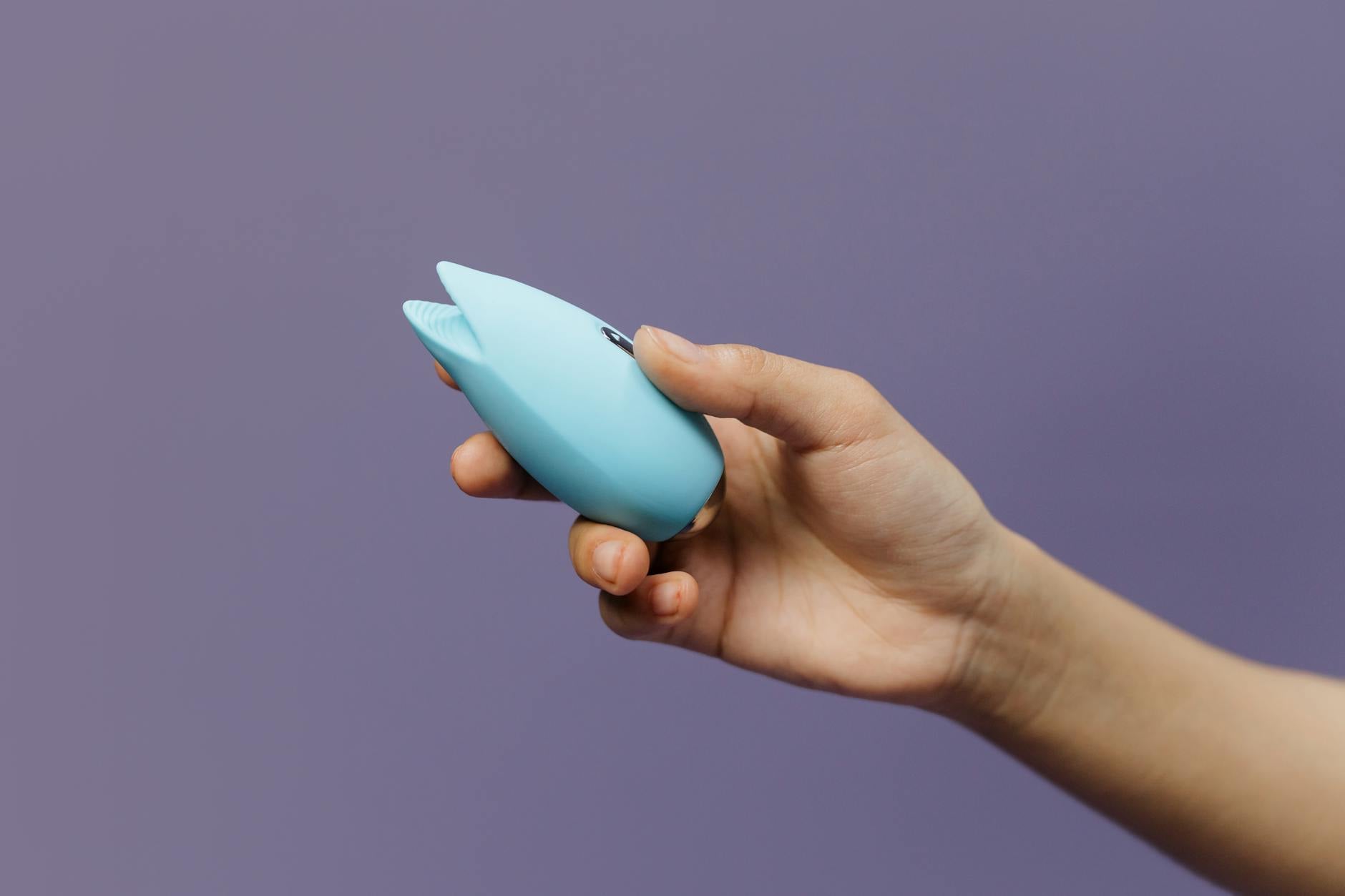
Here's the thing about lemon clitoral vibrators like Hello Nancy's Lem. They don't require your arousal to already be present. They don't depend on you having sustained desire for 20 minutes. They create the signal that your body then recognizes and responds to.
When your sensitivity is muted, a lemon vibrator uses gentle suction and pulse patterns to stimulate the clitoral nerve endings in a way that breaks through that fog. The Lem specifically uses air-suction technology, which feels different from traditional vibration. Instead of friction, it creates a gentle rhythmic suction that's less intense on tissue that might feel fragile right now.
Think of it as a way to remind your nervous system that this kind of sensation is safe and good. You're not forcing arousal. You're creating the physical conditions for arousal to happen naturally.
The first time you explore pleasure again after depression, expect it to feel weird. Not bad. Weird. Your mind might wander. You might feel disconnected from your body. You might hit sensitivity that feels too intense, or numbness that feels frustrating.
All of this is information, not failure.
Start with your settings low. If you're using a lemon vibrator, begin on pattern one or two. Give yourself 20 to 30 minutes with no goal except to notice what you're noticing. This isn't about achieving an orgasm. This is about teaching your nervous system that pleasure is coming back online.
Use water-based lubricant even if you don't think you need it. Depression often comes with hormonal shifts that affect natural lubrication. A good lube makes everything feel more comfortable and removes the friction that can turn numbness into frustration.
Here's what therapists know and most articles don't tell you: the biggest barrier to pleasure returning after depression isn't usually physical. It's the story you're telling yourself about your body.
Depression tells you that you're broken, that you should be grateful to feel anything at all, that your body isn't trustworthy. When you start exploring pleasure again, all of that shame and fear comes with you. You might feel guilty for wanting something for yourself. You might expect your body to perform perfectly now that you're medicated. You might feel anger that depression stole time from your sexuality.
These feelings need processing, not bypassing. If you have a partner, tell them what's happening. Not every detail, but the outline. I'm waking up. It's weird. I need patience. If you're solo, journal about it. Talk to your therapist. Let yourself feel the full range of returning desire without rushing it into performance.
Timing matters more than you'd think. If you've just increased your medication dose or just started a new antidepressant, wait two to three weeks before expecting pleasure to shift. Your body needs time to adjust. If you're feeling emotionally fragile, lemon clitoral vibrators can actually become part of self-care. Ten minutes of gentle exploration can help your nervous system remember that safety and pleasure can exist together.
If you're in a relationship, this is also a conversation. Some partners want to be involved in the process of reconnection. Some people need solo time first to rebuild trust with their own bodies. Both are valid. What matters is that you're not pressuring yourself to perform desire before it's actually there.
As your sensitivity returns and pleasure starts feeling more familiar, you might notice that lemon vibrators help you move from exploration into genuine arousal. The gentle suction patterns can guide you into deeper states. You can experiment with longer sessions. You can start paying attention to what patterns feel best, which ones build toward orgasm, which ones feel more like a warm, diffuse pleasure.
This is the point where depression isn't controlling the experience anymore. Your body is.
Some people find that their most intense orgasms after depression feel different from before. Sometimes deeper. Sometimes more localized. Sometimes they take longer to build. This is your nervous system recalibrating. It's not worse or broken. It's just different. And different can actually be richer once you stop comparing it to how things used to be.
Some antidepressants suppress arousal more than others. SSRIs are the common culprit, but it varies wildly from person to person. If you've given yourself a few months of gentle exploration and desire still feels like it's operating at 10 percent, talk to your prescriber. Timing adjustments, dose tweaks, or medication switches can sometimes help. Sexual desire matters. It's not a luxury feature of mental health. It's a legitimate part of your well-being.
In the meantime, lemon vibrators can help by creating sensation that doesn't depend on your baseline arousal level. You're not trying to feel more motivated to have sex. You're creating a physical experience that reminds your nervous system what pleasure feels like.
Depression steals time. Then recovery takes time too. There's a kind of grief in that, and it's worth acknowledging. You might feel frustrated that your body doesn't just snap back to normal. You might resent that reconnecting with pleasure requires intention and tools and conversation instead of just happening automatically.
That's all real. And also, the fact that your desire is returning means something in you knows you deserve pleasure. Your nervous system is ready to feel good again. You get to decide what that looks like. Lemon vibrators are just one tool in that process. The bigger tool is patience with yourself.
It varies. Some people notice arousal returning within two to four weeks of starting medication as their depression lifts. Others take three to six months. If you're experiencing medication-related sexual side effects that feel different from depression-related numbness, that's worth discussing with your doctor separately. The two aren't always the same thing.
Not faster exactly, but it can help. Using a lemon clitoral vibrator regularly gives your nervous system consistent, gentle stimulation. This can help your brain rebuild the reward pathways that depression suppressed. Think of it as practice for your nervous system, not as something that forces faster recovery.
Completely normal. Depression affects both motivation and sensation processing. You can have desire without feeling the physical sensations, and this can continue for a while even as your mood improves. This is where lemon vibrators help. They create sensation your brain can recognize, which helps bridge that gap.
If you're in a partnered relationship, honesty usually helps. You don't need to describe every detail, but something like "I'm exploring what feels good as I'm recovering" gives them context. Some partners want to be involved. Some people need solo exploration first. Both are okay. Clear communication prevents misunderstanding.
That's depression still working its way through your system. Orgasms after depression can feel less intense, more subtle, or delayed. This usually improves with time and continued exploration. A lemon vibrator's gentle suction pattern sometimes helps by creating a sensation that builds more gradually and feels less jarring on a nervous system that's still recalibrating.
Depression-related numbness usually starts improving within a few weeks of treatment working. Medication-related sexual side effects can persist throughout your time on that medication. If you're three months in, mood is better, but arousal still feels completely flat, that's worth a conversation with your prescriber. Many options exist, including timing adjustments or brief medication breaks if medically appropriate.
Your libido returning is your body saying that you're healing. It's not a sprint back to where you were. It's a gentle rebuild of something important. Lemon vibrators, with their gentle air-suction technology and customizable patterns, give you a way to explore pleasure on your timeline, without performance pressure, and with your nervous system firmly in control. That's the whole point.
If you're still figuring out how to navigate this transition or you want personalized guidance, reach out. We're here to help you reconnect with pleasure in a way that actually works for your body right now.