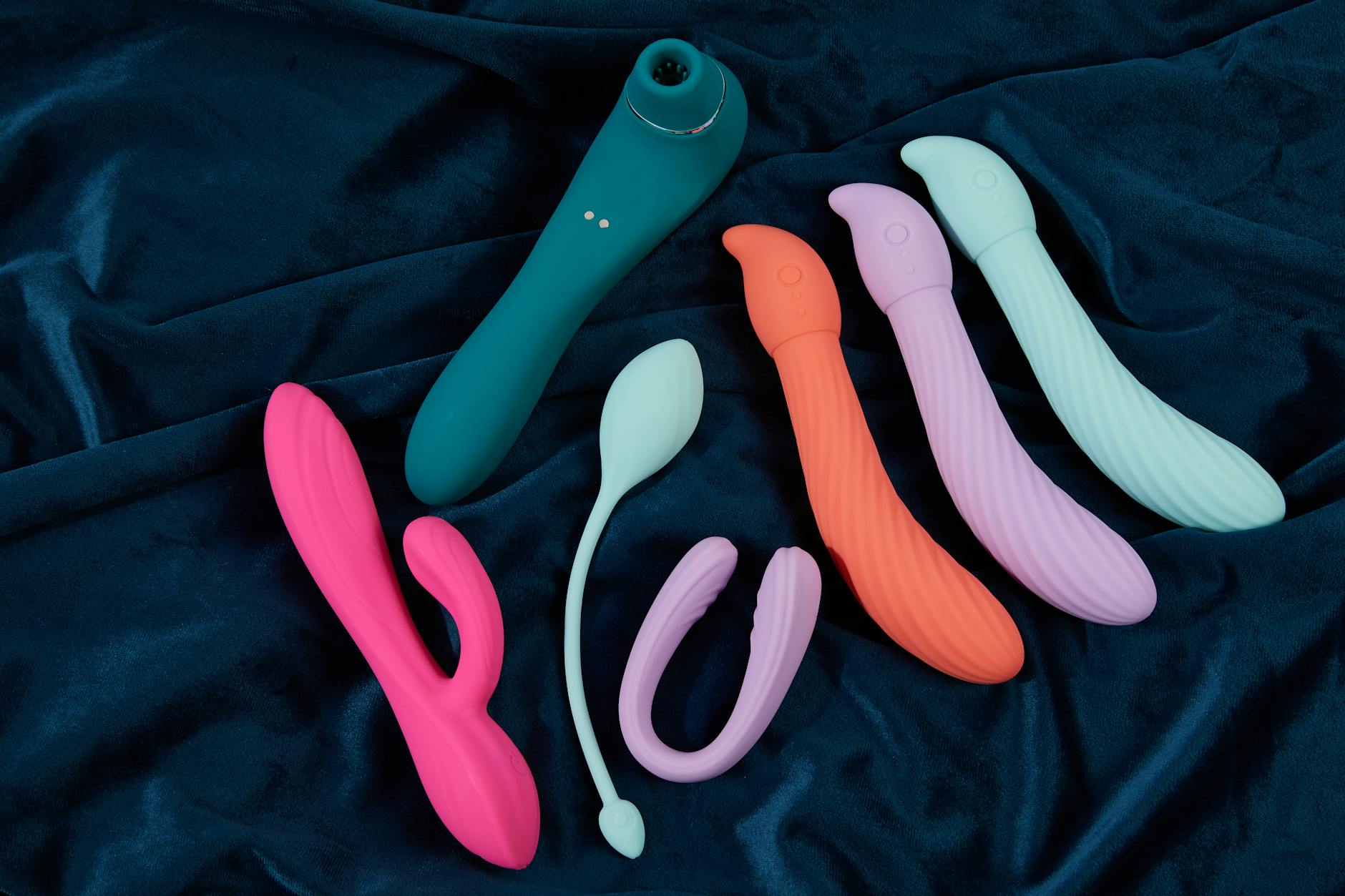
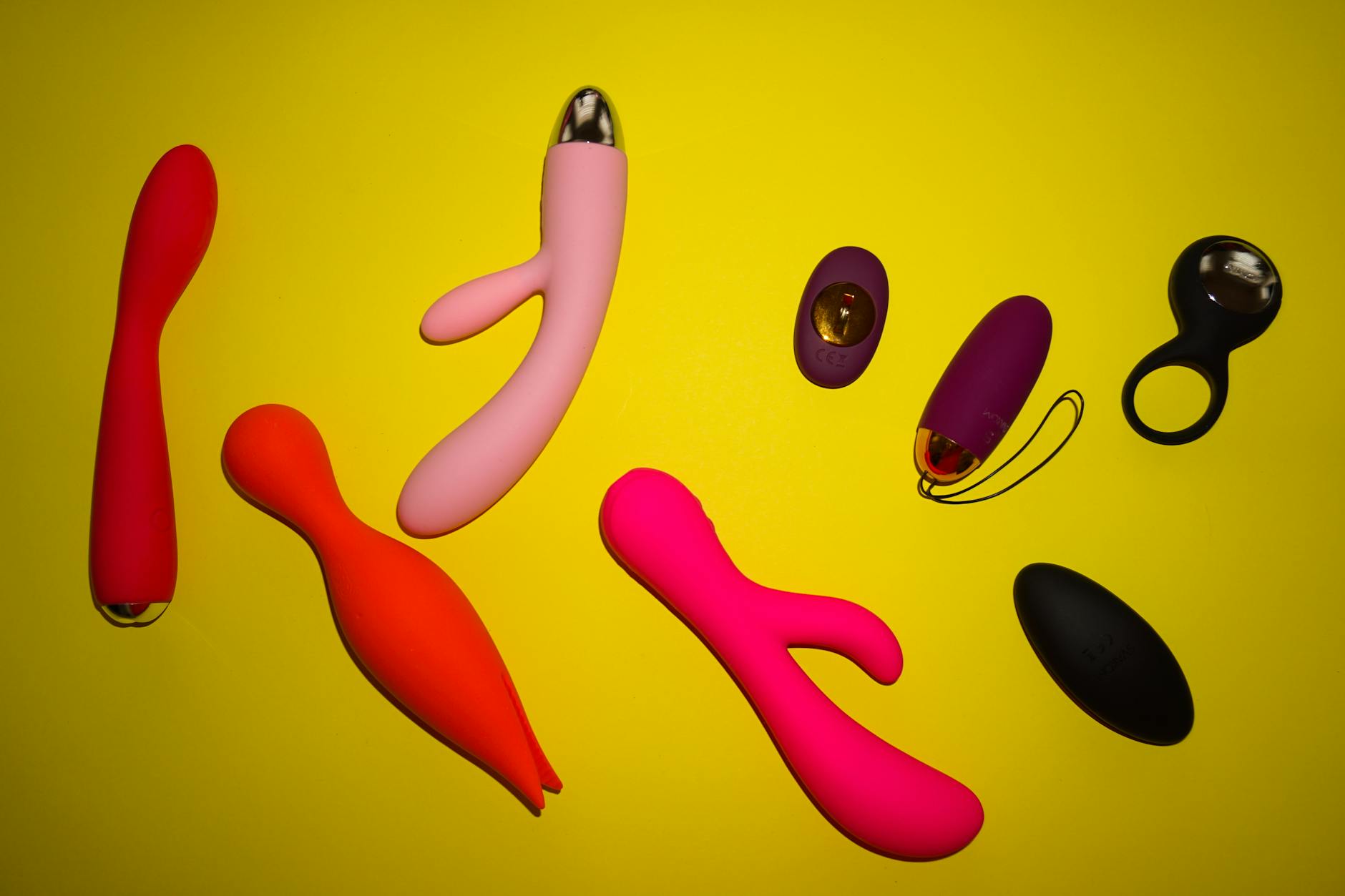
How to Use Lemon Vibrators When Orgasm Timing Feels Stressful
The paradox: the harder you try to come, the less likely it happens. Here's how lemon clitoral vibrators help you break the cycle and find pleasure without the clock.
You're with your partner. Or you're alone. Either way, there's this underlying current: "I should be coming by now." Five minutes feels like fifteen. Your body tenses. Your mind spins. And suddenly, the thing that's supposed to feel good feels like a test you might fail.
Here's what I see in my practice: the people who worry most about orgasm timing are the ones least likely to have one. It's not a personal failure. It's neurology. Anxiety triggers your sympathetic nervous system (the fight-or-flight response), which literally shuts down arousal. Pleasure requires a different state entirely.
The good news? Lemon clitoral vibrators can interrupt this pattern because they do something your anxiety can't do simultaneously: they give your nervous system something specific to focus on, which interrupts the mental spiral.
Three scenarios create this pressure, and they're all legitimate:
Scenario one: The partner dynamic. Your partner is doing their thing, waiting for you to finish, checking in (which means they're checking the clock). You feel the pressure to perform, to not "take too long," to match their pace. This is especially common if you've had partners in the past who made their impatience known.
Scenario two: The solo rebound. You used to come easily. Now something's shifted (medication, stress, hormonal changes, aging). You know what used to work, and it's not working anymore. Every failed attempt teaches your brain to try harder next time. Trying harder is the opposite of what your nervous system needs.
Scenario three: The comparison trap. You've read that people come in 5 to 15 minutes. You've seen it happen in movies. You're at 20 minutes and nothing. Now you're convinced something's wrong, which tightens everything further.
All three scenarios have the same root: your thinking brain is hijacking your pleasure.
A clitoral vibrator like the Lem does something specific: it provides consistent, predictable stimulation that's hard to "mess up." Your only job is to let it work.
Here's the mechanism. When you're using vibration, your nervous system has to focus on sensation. It can't think about timing simultaneously (your brain has limited bandwidth for competing tasks). The vibration becomes an anchor point. Instead of "Am I going to come? How long is this taking?", your attention goes to "What does this pattern feel like? Stronger or lighter?"
This shift from thinking to sensing is the whole point. Orgasm doesn't live in your head. It lives in your body. A quality lemon clitoral vibrator gives your body a voice loud enough that your anxious thoughts can't drown it out.
There's also a physical component. Vibration stimulates nerves in a way manual stimulation can't maintain consistently. If you've been white-knuckling through sex, straining to come, your body knows it. Vibration feels different because it's not effort. It's support.
This is where most people mess up. They choose the strongest setting, assume faster is better, and wonder why it's not working.
When you're anxious, you need to start low.
Set your lemon vibrator to the gentlest pattern (usually 1 or 2 on the Lem). This does three things: it keeps your nervous system calm instead of shocking it into high alert, it lets you actually feel what's happening instead of being overwhelmed, and it gives your body permission to warm up slowly, which is how genuine arousal works.
Most people discover that they can build to intense patterns once they've settled into the sensation. But if you start at high intensity, you're doubling down on the pressure ("I have to come now because this is the strongest thing available"). That's the opposite of helpful.
I typically recommend:
For solo play. Start at pattern 2. Spend 5-10 minutes there. Let your mind settle. When it feels comfortable, move to 3 or 4. Stay for another 5 minutes. Only escalate if your body is asking for it, not because you think you should.
For partnered play. Set the intention first: "I'm using this to help me relax, not to hit a deadline." Use the same low-to-medium progression. Ask your partner to focus on you, not on whether you're coming. Make coming optional, not mandatory.
For delayed orgasm (the "I can't come" experience). Stick with patterns 2-3 for the entire session. Longer sessions at moderate intensity often work better than short sprints at maximum intensity. Give your nervous system time to trust that this is safe.
Using a lemon vibrator isn't a magic eraser for anxiety. You'll still have the thought, "Is this taking too long?" The difference is that you can notice the thought and then redirect attention back to sensation.
This is called a thought-release practice. When the anxiety thought appears, don't fight it. Acknowledge it ("There's that fear again") and then deliberately shift focus to something physical: the vibration pattern, your breath, a sensation in your body.
Honestly, this is easier to do with a vibrator than without one because the vibrator is literally giving your nervous system something better to pay attention to. It's like having a built-in reminder to come back to your body instead of staying stuck in your head.
Start using the Lem at the beginning of your arousal cycle, not at the end. If you've been trying other things and feeling frustrated (which kills arousal), that's the wrong time to introduce a vibrator. Instead, use it earlier in the process, when your nervous system is calmer and you have more bandwidth.
If you're with a partner, consider using it before partnered sex starts, not as a last resort. This removes the "rescue tool" dynamic, which often feels like admitting defeat. It's not. It's a different kind of stimulation that works better for your nervous system right now.
If you're solo, experiment with using it when you're less desperate. Saturday morning when you're relaxed hits different than Tuesday night when you're wound tight and determined. Your nervous system knows the difference.
Here's what I tell my couples: the orgasm isn't the point. Connection is. Pleasure is. Orgasm is often what happens when you've got those two things, but it's not the job.
When you're using lemon sexual toys, you have an opportunity to practice letting go of the outcome. To practice enjoying sensation without grading it. To practice trusting your body instead of managing it.
That might sound like life coaching wrapped in a vibrator recommendation. But it's true. The couples and individuals I work with who shift their relationship with orgasm (from "this needs to happen" to "this might happen and that's fine") are the ones who actually start having better ones.
The vibrator is just a tool that makes that mental shift easier. It gives your nervous system permission to relax. It separates stimulation from performance. And often, paradoxically, that's exactly when your body decides to show up.
Often, yes. Medications like SSRIs are famous for delaying orgasm, sometimes making it feel impossible. A lemon clitoral vibrator works differently than manual stimulation because it's consistent and doesn't fatigue. Some people find that the right vibration pattern, combined with lower pressure settings, helps. But if you're on medication affecting orgasm, it's also worth talking to your prescriber about timing (taking the medication at a different time of day sometimes helps) or adjusting your dose. Neither the vibrator nor the medication change is a substitute for that conversation.
That's usually a sign your nervous system isn't ready yet, not that something's broken. Step back. Do you feel relaxed? Are you in a pressure-free mindset? If not, the vibrator can't fix that alone. Sometimes you need to address the source of the pressure first (talking to your partner about expectations, giving yourself permission to skip sex for a few days, managing stress in other areas of your life). The Lem is a tool for pleasure, not a performance fix.
Not inherently. The research suggests that regular vibrator use doesn't reduce sensitivity or make other kinds of stimulation stop working. What can happen is that your nervous system learns what it likes. If vibration feels better because it's less pressurizing, that makes sense. You can still build skills with manual or partnered stimulation, but vibration might remain your preference. That's not a problem. That's information about what your body enjoys.
Frame it as something you're doing together, not something that's replacing them. "I want to use this because it helps me relax" is very different from "This works better than you do." Many couples find that watching or touching while their partner uses a vibrator is actually more connected than the partner doing all the stimulation themselves. Pressure drops. Presence increases. Often that's when the best things happen.
That's a relationship issue, not a vibrator issue. A partner who pressures you about orgasm and resists tools that help you relax is signaling something about how they see your pleasure. You deserve a partner who cares more about your actual experience than about the performance. If this pattern is consistent, that's worth addressing directly (maybe with a couples therapist) or reconsidering the relationship.
Absolutely. In fact, lemon clitoral vibrators are often recommended as a starting point for people learning their own bodies. The consistent stimulation is less intimidating than manual exploration sometimes feels. Start with the lowest settings, give yourself permission to not come, and just explore sensation. Many people discover what works through that non-goal-oriented play. If you've never had an orgasm despite trying, a vibrator plus a calm, pressure-free environment is a solid combination to experiment with.
Orgasm anxiety is a nervous system problem, not a body problem. Your nervous system is trying to protect you from failure. It's doing its job, just too aggressively.
A lemon clitoral vibrator can't rewire your nervous system. But it can create the conditions where your nervous system can calm down. Consistent sensation. Low pressure. Permission to just feel. Those things matter.
If you're caught in the orgasm timing trap, a quality vibrator like the Lem is worth trying not because it guarantees results, but because it interrupts the pressure loop. It gives your body a chance to show you what it's actually capable of when your mind gets out of the way.
Your pleasure matters. Not because of what it proves. But because you deserve to feel good.