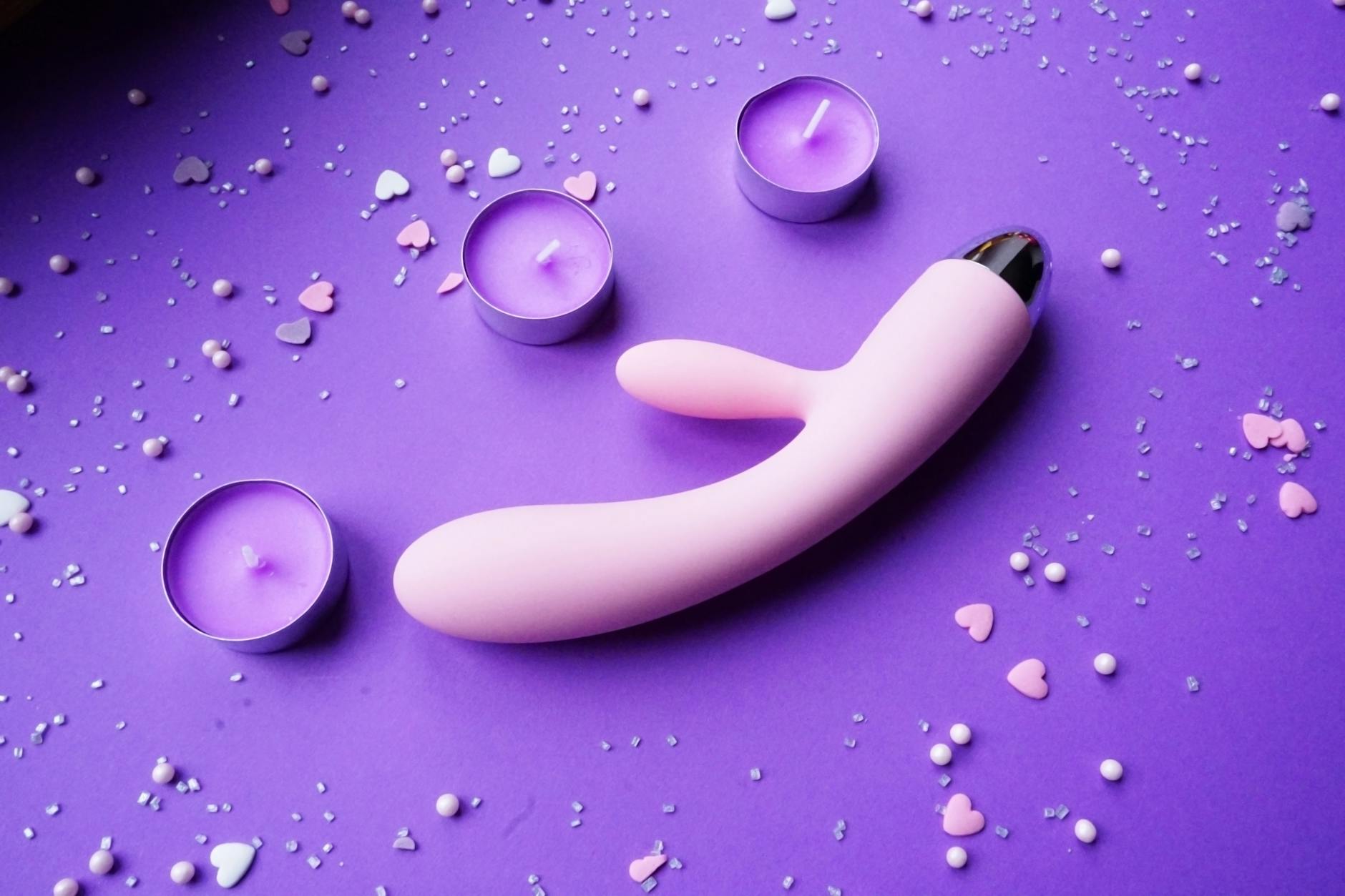
How to Use Lemon Vibrators When Sensitivity Increases During Ovulation
Your clitoris doesn't feel the same every day. Here's exactly how to recalibrate your lemon vibrator settings and technique across your cycle without turning pleasure into discomfort.
Your clitoris has a cycle. That sounds poetic, but it's literally physiology. During ovulation, your clitoris becomes more sensitive, more engorged, and more responsive to stimulation. For many people, that's a good thing. For others, it means standard vibrator settings suddenly feel too intense. And for most of us, it's both at once.n
Here's what I see with my clients: they find a lemon vibrator they love, nail their settings, and then midcycle the same intensity that felt perfect now feels overwhelming. They assume they've done something wrong. They haven't. Their body has simply shifted.
About five to seven days before ovulation, estrogen starts climbing. Your clitoris literally gets larger as blood flow increases. The nerve endings become more accessible, closer to the surface. Your cervix shifts position, your vaginal lubrication changes texture and volume, and your overall sensitivity to touch rises.
Then ovulation happens, progesterone starts climbing, and everything recalibrates again.
This isn't a flaw in how you respond to pleasure. It's your body's actual operating system. For about ten days of your cycle, you're running a different sensitivity setting than the other two weeks.
The mistake most people make is trying to use the same lemon vibrator intensity throughout their entire cycle, then either white-knuckling through discomfort or avoiding pleasure altogether when sensitivity peaks. That's like wearing the same weight workout gloves whether you're doing a warm-up or maxing out. The tool is the same, but how you use it needs to change.
Lemon clitoral vibrators use suction and pulsing patterns rather than pure vibration. That's actually an advantage here. Because the stimulation works through gentle pressure waves instead of direct friction, you have finer control over intensity than you might with a traditional vibrator.
The Lem's pattern options, from gentle pulsing on setting one to more intense rhythms on higher settings, mean you don't have to abandon the tool when sensitivity shifts. You adjust how you use it.
Other clitoral vibrators often max out at a single intensity. A lemon vibrator designed for nuance lets you stay with the same device and simply dial differently. That matters for consistency, comfort, and pleasure continuity across your cycle.
Timing matters first. Ovulation typically happens around day fourteen of a twenty-eight-day cycle. Peak sensitivity usually arrives a few days before and a few days after. If your cycle is longer or shorter, adjust those windows accordingly. Track it for two or three months and you'll spot your personal pattern.
Once you know your window, shift your lemon vibrator approach. Here's what actually works:
Sensitivity is lower. Your clitoris feels flatter. You might need more direct pressure or longer buildup time to reach arousal. If you typically use the Lem on pattern three, you might find pattern four or five works better here. Don't be surprised if you need a longer warm-up period. This is normal.
Sensitivity begins rising. This is when many people notice they get aroused faster, orgasm more easily, and feel more responsive overall. You might drop back to pattern two or three. You definitely want more lubrication than you needed a week ago. Water-based lube becomes essential here, not optional.
This is peak sensitivity. This is also when many people feel the most pleasure, but also where discomfort shows up fastest if you don't adjust. Start on pattern one. Seriously. I know that feels counterintuitive if you usually run pattern three, but your starting point shifts. If pattern one feels too gentle, move to pattern two. Most of my clients stay at pattern one or two during ovulation even if they use three or four in their low-sensitivity phases.
Extend your warm-up window. Give yourself fifteen to twenty minutes instead of ten. Your clitoris needs time to acclimate to the lemon vibrator's rhythm, and ovulation sensitivity means that acclimation period is genuinely longer.
Sensitivity drops again, but not back to menstrual-phase lows. This is usually a sweet spot where you have good responsiveness without the sharp edge of ovulation sensitivity. Patterns two and three typically work well. Some people find they need extra lubrication still, especially as they approach menstruation. That's normal.
Intensity is just one variable. How you use the lemon vibrator changes too.
During high-sensitivity phases, angle matters more. The suction works differently depending on the angle of approach. During ovulation, many people find that approaching from a slightly different angle, or staying still and letting the Lem do the work rather than creating additional pressure, prevents overstimulation.
Session length changes. High-sensitivity phases might mean shorter, more focused sessions. Twenty minutes instead of thirty. Your body reaches orgasm faster, and trying to extend beyond that natural climax point can create frustration or desensitization.
Break duration matters. If you usually have one orgasm per session, ovulation sensitivity might mean stopping after one and taking a real break before going for another. Your refractory period isn't just about desire. Your clitoris physically needs a moment to return to baseline before handling more stimulation.
If you have a partner, this adjustment gets interesting. Many couples use a lemon clitoral vibrator together. During high-sensitivity phases, that partner role changes from intensity-driver to guide.
Instead of your partner managing the vibrator's placement and rhythm, they might focus on everything else. Hand placement on your thigh. Kiss rhythm. Pacing of other touch. They can read your breathing and adjust what they're doing elsewhere while you control the Lem settings.
This actually deepens intimacy. It moves the focus from "let's both ramp up intensity" to "let's sync our responsiveness." Many couples tell me that cycle-aware pleasure sessions feel more connected, more attuned, than anything that came before.
You probably already know that water-based lubrication helps. During ovulation, it becomes not just helpful but almost essential. Here's why: your natural lubrication changes during your cycle. At ovulation, it gets thinner, more watery, and sometimes paradoxically feels more slippery and less cushioning.
Water-based lube adds body. It creates a protective barrier that lets the Lem's suction work without the direct tissue contact feeling raw. It's not that your clitoris is damaged. It's that the increased sensitivity means bare contact feels sharp instead of satisfying.
Keep your water-based lube at hand. Apply generously. Reapply mid-session if needed. This single variable often explains why someone loves their lemon vibrator most days and feels uncomfortable during ovulation. It wasn't the vibrator. It was the layer between the vibrator and your skin.
Some people hit a phase where ovulation sensitivity genuinely becomes uncomfortable. That's less common than discomfort from not adjusting settings, but it happens.
First, dial back further. If you're at pattern one on the Lem and it's still too much, you can use the vibrator with your underwear on. Yes, really. The fabric creates distance. Intensity drops significantly. If you like the sensation but need lower power, try it.
Second, extend your warm-up indefinitely. Sometimes the issue isn't the peak intensity but how fast you ramp up to it. Spend twenty-five minutes with external touch before you introduce the Lem. Spend thirty. Your nervous system might need that extra time to ease into responsiveness.
Third, try different patterns on the Lem. Not all patterns work equally well for all people during high-sensitivity phases. Pattern two might feel better than pattern one for your individual clitoris. Experiment across two or three ovulation cycles and find your ovulation-specific pattern.
If discomfort persists after adjusting all three variables, genitourinary syndrome can sometimes be part of the equation even in people without hormonal change. A menopause-trained doctor or sex medicine specialist can evaluate whether anything medical is at play.
Here's what I tell clients: yes, using your lemon vibrator across your cycle requires adjustment. But that adjustment unlocks something most people never experience with pleasure devices. Sustained, long-term satisfaction.
People who ignore their cycle often experience a boom-bust pattern. They find an intensity setting that works, use it until it doesn't, and then feel like the device has suddenly stopped working. They haven't. Their body has shifted and they haven't adjusted with it.
Cycle-awareness means your lemon vibrator actually works better and better as you use it. You learn your body's actual responsiveness. You stop fighting it and start dancing with it. You get pleasure that matches your physiology instead of fighting against it.
That consistency, that attunement to your own operating system, is where real satisfaction lives.
Yes. Sensitivity is usually lower during menstruation, so you often need higher intensity settings. Cramping can sometimes make direct clitoral stimulation less appealing, but some people find that orgasm actually eases cramping. There's no medical reason to avoid it. The Lem is waterproof, so menstrual fluid isn't a concern for the device itself. Use your regular lubrication and adjust settings based on how your body feels that day.
Not the device itself. But your clitoris responds differently, so you experience the same vibrator very differently depending on where you are in your cycle. On high-sensitivity days, pattern two on your lemon clitoral vibrator might feel as intense as pattern four on low-sensitivity days. The Lem isn't changing. Your body is.
Not mandatory, but it helps. You don't need a formal tracker. Just note in your calendar on the days you use your lemon vibrator which patterns feel best and when you felt most responsive. After two or three cycles, the pattern emerges. Then you can proactively adjust instead of reacting when discomfort shows up.
Cycle awareness still applies, even if you don't track bleeding. Hormonal shifts still happen. You'll notice them through responsiveness changes and sensitivity shifts. The same adjustment protocol works. Just track by how your body feels rather than calendar dates. Notice your patterns over two or three months and adjust your lemon vibrator settings accordingly.
Absolutely. Birth control stabilizes hormone levels, which means your sensitivity typically doesn't shift as dramatically across your cycle as it might off birth control. Some people find that pleasure is more consistent month to month. Others find sensitivity drops overall. It varies by which birth control and which individual. If you've changed birth control and your lemon vibrator experience shifted, that's usually the reason.
Completely normal. It's actually a sign you're paying attention to your body's real feedback. Many people assume they need different devices or that their lemon vibrator is no longer working when really they just need a settings adjustment. Your body isn't broken. It's cycling, and that cycling is by design.
Your clitoris isn't a static target. It's a responsive system that shifts and changes across your cycle. A lemon clitoral vibrator like the Lem gives you the tools to adjust with those shifts. Once you know your pattern and dial your settings intentionally, pleasure becomes more consistent, more satisfying, and more aligned with your actual physiology.
Start tracking your cycle sensitivity for two months. Note which patterns work best on different days. Adjust your lube accordingly. Then watch what happens to your pleasure consistency across the next three cycles.
Your body knows what it needs. You're just finally learning to listen.