You touch yourself and feel almost nothing. Your partner does what used to drive you wild, and it barely registers. You're not aroused, you're not tired, you're just... numb. That disconnect between wanting to feel something and your body refusing to cooperate is genuinely disorienting.
Here's what I want to say first: this is real, it's more common than you think, and it's not permanent. But the standard advice (relax, use more lube, just wait) misses the actual mechanics of why sensation dims in the first place.
Muted sensation usually comes from one of three places. Sometimes it's a combination.
Nerve desensitization from repetitive stimulation. Your body adapts to constant input the same way your brain stops noticing background noise. If you've been using the same technique or toy with the same intensity for months or years, your nerve endings literally become less responsive. It's not psychological. It's neurological.
Psychological disconnection. Stress, relationship friction, work pressure, grief, or just the mental exhaustion of life can create a gap between your body and your attention. You're physically present but mentally somewhere else, and your nervous system knows it. Arousal requires presence.
Vascular changes. Blood flow to the genitals decreases with age, certain medications, hormonal shifts, and chronic stress. Less blood flow means less engorgement, which means less sensation because sensation partly depends on tissue responsiveness.
Medication side effects. Some antidepressants, antihistamines, birth control, and blood pressure medications genuinely blunt sensation. This is a feature, not a bug, from the drug's perspective (it's dampening your nervous system). But it creates real friction during sex.
Most vibrators use consistent vibration at a fixed intensity. If your body has adapted to that pattern, you need something that challenges that adaptation. Lemon vibrators work through suction and pulsing pressure rather than simple vibration. That's a fundamentally different signal to your nervous system.
Think of it this way. If someone has been tickling you the same way for an hour, you stop noticing it. But if they suddenly switch to a light squeeze or a pulse, your attention snaps back. Same nervous system, different input pattern.
Lemon clitoral vibrators (and similar suction-based toys) create micro-movements in tissue rather than surface vibration. They draw in, release, and pulse. That variable sensation is harder for your body to tune out. Most people report that sensation feels sharper, more localized, and easier to access even when they've been experiencing numbness.
Start with lower power. If you're numb, intuition says crank the intensity. Don't. Start on the gentlest setting and spend 5 to 10 minutes just noticing what you feel, no goal of orgasm. Your nervous system needs to relearn how to register stimulation. Rush it and you'll just adapt faster.
Use patterns, not constant pressure. Don't hold the lemon vibrator at one setting. Vary it. Pulse through patterns. Two seconds on, one second off. Build, release, build. Your body can't adapt to what's unpredictable. Change is what creates sensation.
Add novelty through position. Use the lemon vibrator at different angles, speeds, and with your body in different positions. Lying down versus sitting versus standing creates different nerve activation. This is why new positions sometimes suddenly feel amazing. You're literally waking up different nerve pathways.
Build arousal before you start. Numbness often feels worse when you launch straight into direct stimulation. Spend 10 to 15 minutes on foreplay, fantasies, your partner, or whatever gets your brain engaged before you use the lemon vibrator. Your whole arousal system is a chain. If the beginning links aren't activated, the end ones won't fire properly.
One of the most overlooked parts of sensation recovery is taking a break from stimulation entirely. I know that sounds counterintuitive. But if your body has become numb from constant input, constant input won't fix it. Rest does.
Consider a week where you use the lemon vibrator only twice, both times for less than 10 minutes. Let your nerve endings reset. You're not ignoring your pleasure. You're actively recalibrating it. The difference in sensation after a week of less frequent use is often startling.
This also applies to partners. If you and your partner have a consistent sexual rhythm, vary it. Skip a day. Change the time of day. Try a completely different setup. Novelty is the enemy of numbness.
If you've been experiencing this for months and nothing shifts, check three things.
First, your medications. Loop in your doctor or pharmacist. Sensation changes that started after you began a new medication aren't a coincidence. Some medications can be swapped. Others need to stay, but knowing that numbness is a side effect (not a personal failure) changes how you work with it.
Second, your stress level. Chronic stress is a proven sensory dampener. Your nervous system prioritizes survival over sensation. If you're running in a state of high alert, your body isn't going to feel pleasure the way it does when you're calm. Address the stress (therapy, meditation, schedule changes, whatever works for you) and sensation often returns.
Third, your relationship or solo-play frame of mind. Are you present during sex, or are you running through a mental checklist of what should happen? Numbness is sometimes your body's honest answer to that gap. Reconnecting with presence (fewer distractions, more attention to micro-sensations, slowing down) can shift everything.
If numbness persists alongside pain, bleeding, or significant distress, see a healthcare provider. Some conditions (nerve damage, pelvic floor dysfunction, etc.) need clinical attention alongside pleasure tools.
Honestly though, sensation recovery takes time. You didn't become numb overnight. You won't wake up fully present in two sessions. But you will notice it improving. That first moment when your body registers something again, when a touch that felt like nothing suddenly feels like something. That's real.
Most of my clients who've worked through numbness say the lemon vibrator became essential during that process because it forced novelty and variation into their routine. No two sessions felt identical. That inconsistency is what wakes sensation back up. You deserve to feel pleasure fully again. Your body is just waiting for the right signal.
Numbness is almost never permanent, though it can last for months or longer if the underlying cause isn't addressed. Medication-related numbness usually improves when the medication is changed or dosage adjusted. Nerve adaptation improves with breaks and novelty. Vascular changes improve with movement, stress reduction, and sometimes medication adjustment. Even in cases where sensation doesn't return to a previous baseline, most people find new pathways of pleasure when they stop chasing the old ones.
Most people notice a shift within 3 to 5 sessions, sometimes sooner. You might feel more sensation in the moment, or you might notice that sensation is more consistent day to day. Complete recovery of pre-numbness sensation can take 4 to 8 weeks of varied, paced use. Patience matters here. Rushing or expecting instant results often triggers frustration, which dampens sensation further.
No. Daily use, especially at high intensity, is part of what created the numbness in the first place. Aim for 2 to 3 times per week, with sessions under 15 minutes. Vary the patterns, angles, and intensity each time. Some of the most effective recovery happens during the days you're not using it, when your nervous system is recalibrating.
Yes, if numbness appeared suddenly, is accompanied by pain or other symptoms, or hasn't improved in 2 to 3 months despite changing your approach. It's worth mentioning to your healthcare provider, especially if you recently started a new medication or are experiencing significant stress. They can rule out medical causes and offer additional tools if needed.
Absolutely. Partners can help by changing touch patterns, varying stimulation, and slowing down rather than pushing harder. They can also create the emotional safety and presence that allows your nervous system to relax enough to register sensation. Communication is key. Tell your partner what you're experiencing and what you're trying. Numbness is not their fault and not yours. It's just a signal that something needs to shift.
Your nervous system adapts to consistent input the way your brain adapts to background noise. The same vibration pattern at the same intensity, applied the same way, eventually becomes background signal rather than foreground sensation. That's why changing toys, patterns, positions, or frequency can suddenly reignite sensation. Your body isn't broken. It's just gotten really good at tuning out a predictable signal. A lemon vibrator's variable suction pattern is harder to tune out than consistent vibration, which is why many people find sensation rebounds faster when they switch.
Remember: numbness is your body giving you information, not a permanent condition. The tool that works for you might be a lemon vibrator, a change in pacing, a break from stimulation, or a conversation with your doctor. Most likely it's a combination. Take it slow, stay curious about what your body needs, and know that sensation recovery is absolutely possible.
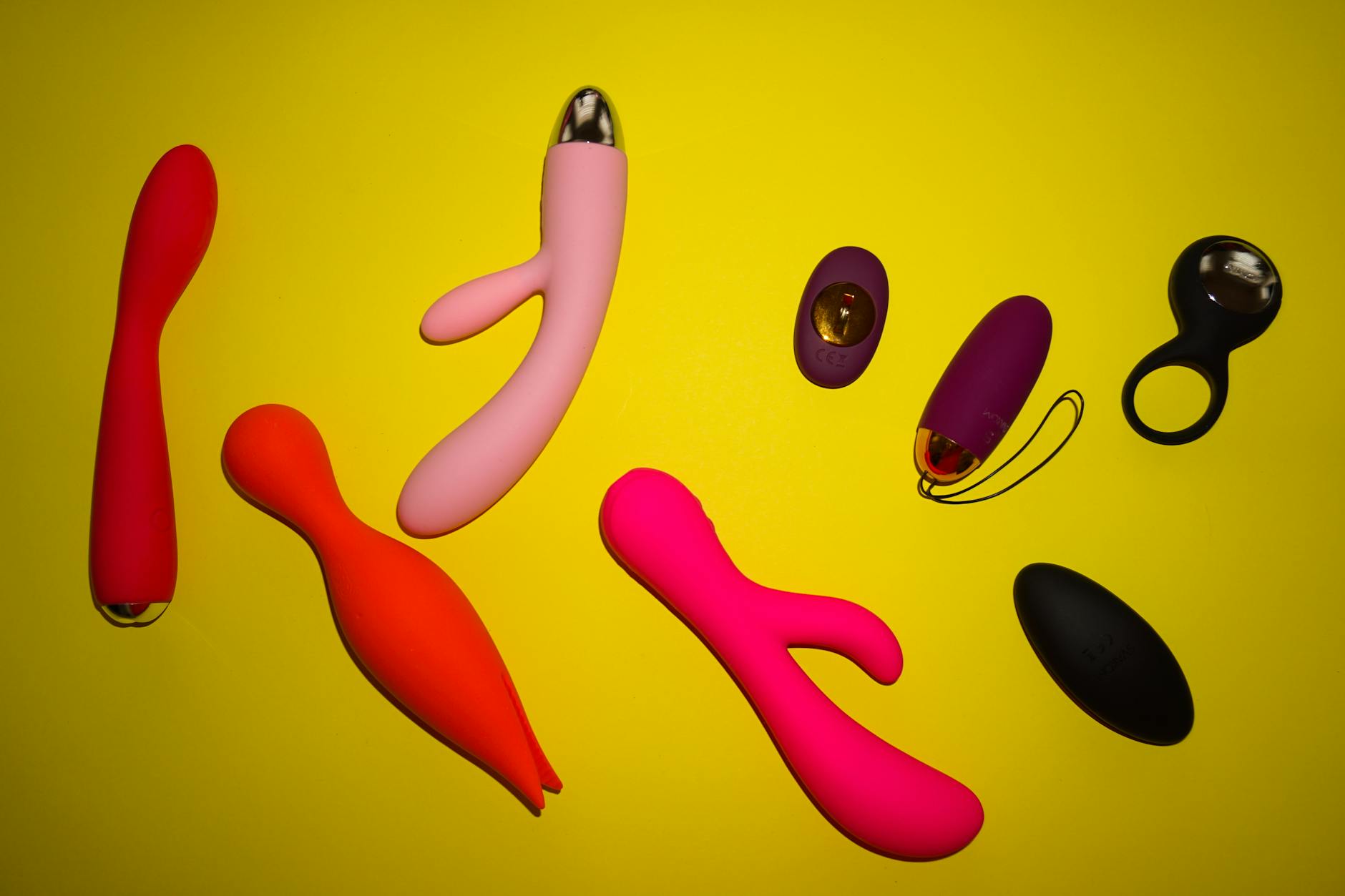
 Photo by cottonbro studio on Pexels