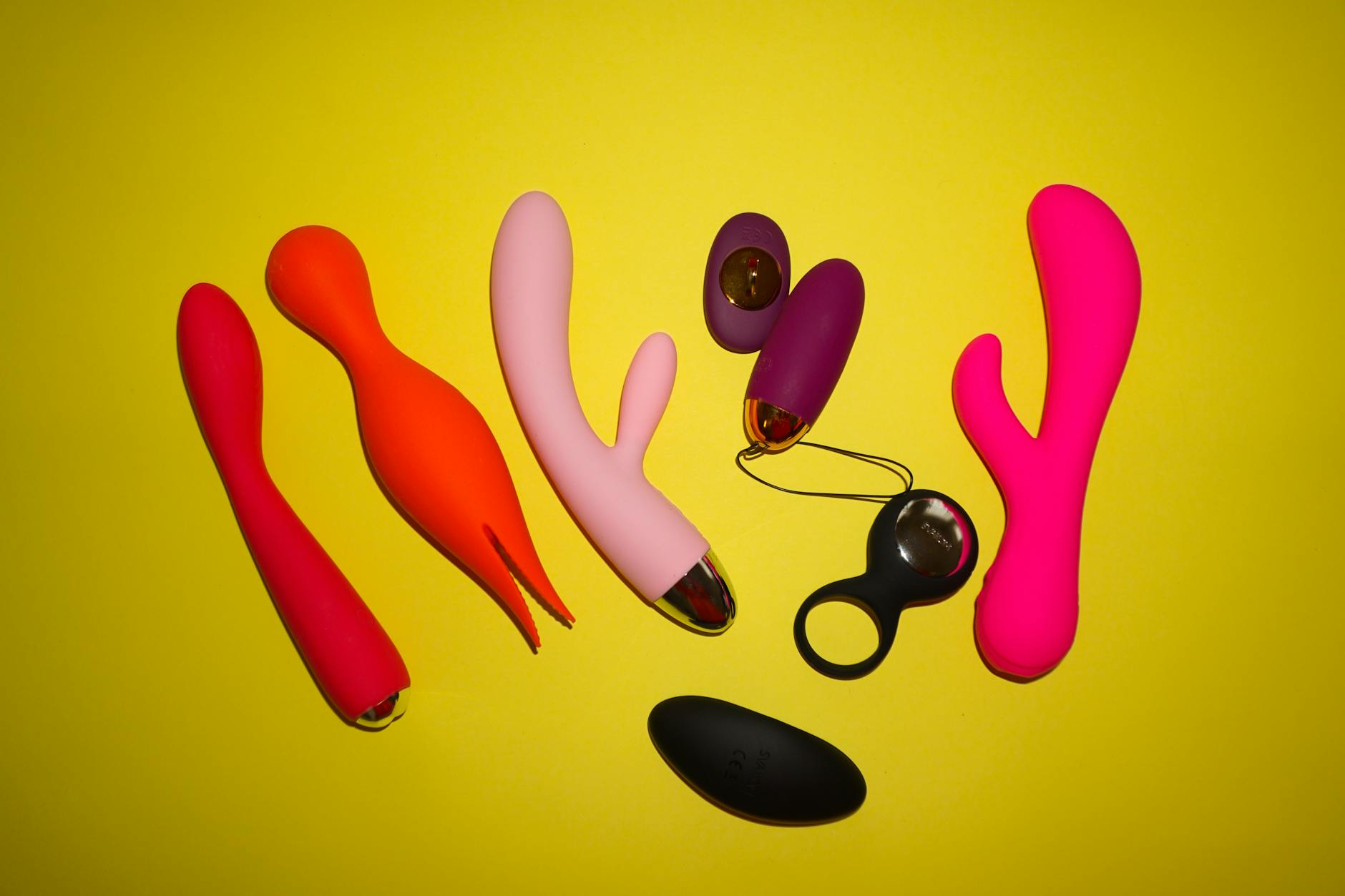
Body image doesn't just make you self-conscious. It creates a gap between your mind and your body. You're in your own skin but not quite inhabiting it. Pleasure gets caught in that gap.
I work with people every week who describe the same thing: they want to feel good physically, but there's this running commentary in their head that says "not like this, not this body, not right now." That voice doesn't go away just because you're alone. It follows you into the bedroom.
Here's what I've learned: clitoral vibrators, especially ones designed with precision and subtlety, can interrupt that pattern. Not by drowning out the shame, but by giving your nervous system something so specific to focus on that the ambient criticism loses volume.
When you're caught in body image spiraling, your brain's threat-detection system is running overtime. You're in low-grade fight-or-flight. Arousal requires the opposite state. Your parasympathetic nervous system needs to be in charge, which means your thinking brain needs to step back.
Clitoral stimulation from a lemon vibrator does something interesting: it creates a focal point that's so physically specific that it competes for your brain's attention. The suction-based stimulation of lemon vibrators engages nerve endings in a way that's hard to ignore or override with self-criticism. It's not meditation. It's not positive self-talk. It's just your nervous system going, "Wait, that feels specific. Let me pay attention to this instead of that."
The key is that you're not trying to eliminate the shame voice. You're just temporarily outbidding it for processing power.
I mention this because if you've tried vibrators before and they made you feel worse, I want you to know why. Traditional vibrators that require direct friction stimulation often amplify body consciousness. You have to position yourself in particular ways. You have to watch what you're doing. There's a physical choreography involved.
With that comes more thinking. More editing. More of the voice saying "not like that" or "don't look at yourself" or "this angle is bad." The clitoral vibrators designed by The Lemon Intimacy work differently. The suction action means you're not managing friction or positioning as aggressively. There's less logistics, less self-surveillance.
If body image is the primary barrier, here's what I recommend.
First, don't start by trying to have an orgasm. That adds performance pressure on top of the shame you're already managing. Instead, set an intention to notice sensation. That's it. Not to feel good. Not to get aroused. Just to notice what you notice.
Second, keep your clothes on at first. I know that sounds backwards, but it removes one layer of self-judgment. Use the lemon vibrator over your underwear or through your clothes. Your nervous system can start learning that this thing is safe and focused without the added vulnerability of being undressed.
Third, start with pattern 1 or 2 on the device. You're not chasing intensity. You're building familiarity and trust between you and the sensation.
This might take three or four sessions before anything shifts. That's normal. You're essentially training your body to receive pleasure even when your brain is sceptical. Neuroplasticity doesn't happen overnight.
If you're with someone, they need to know that this isn't about them. It's about you rebuilding your relationship with your own body. Some partners interpret solo pleasure work as rejection. That's on them to work through, not on you to solve.
But here's what helps: tell them what you're doing and why. Not in a heavy way. "I'm working on reconnecting with my body. I might use a vibrator sometimes on my own. It's not related to anything you're doing or not doing." Then let it rest.
What you do in private is information about your body, not a referendum on your partnership. Hold that boundary.
Once you've done this a few times and your nervous system isn't in constant alert mode, you can add layers. Clothes off. A bit more intensity. Maybe some manual touch along with the vibrator.
But here's the thing: you don't have to rush. Some people spend weeks or months in that clothed, lower-intensity phase. That's the work. It's not wasted time. It's the actual rehabilitation of your nervous system's ability to feel good.
I've had clients tell me that the moment something shifted was when they realised they could feel pleasure even when they didn't feel beautiful. That the two weren't connected. Your body doesn't need permission from your self-image to experience physical sensation.
Sometimes people try this and then abandon it because they don't come, or because the sensations feel "weird" compared to what they imagined. That's not failure. That's data. Your body is telling you it's learning something new, and new things feel unfamiliar.
If you're not feeling much at all, check three things: Are you relaxed, or are you still braced? Are you using enough lubricant, even if you think you don't need it? Are you giving yourself enough time, or are you rushing through this like something to accomplish?
Also consider where you're doing this. The environment matters. A space where you feel physically safe and unrushed gives your parasympathetic nervous system permission to actually function.
Vibrators are a tool. They're genuinely useful. But they're not magic. If your body image shame is severe, or if it's tied to trauma, this needs professional support. A therapist, especially one trained in somatic work or attachment theory, can help you process the stuff underneath the shame.
What vibrators do is give you a foothold. They let you start having a different experience with your body before you've completely resolved the feelings about your body. That gap between experience and belief is where change actually happens.
Rebounding from body image stuff takes time. There's no four-week protocol. Some days you'll feel connected to your body and some days you won't. That's not regression. That's normal.
What matters is that you're offering yourself the possibility of pleasure without first demanding that you feel perfect. Your body doesn't have to earn the right to feel good. It's allowed to just exist and receive sensation.
Try a lemon clitoral vibrator if the suction-based approach appeals to you, or explore whatever tool resonates. The specific device matters less than your willingness to spend time rebuilding trust with yourself. That's the real intimacy.
No. Vibrators can interrupt the shame voice temporarily and let you access sensation underneath it. But they're not therapy. If the shame is deeply rooted, you'll benefit from working with a therapist alongside whatever tools you use physically. The goal isn't to eliminate shame forever. It's to prove to your nervous system that pleasure is possible even when shame is present.
Absolutely. Start clothed or semi-clothed. Your nervous system needs to build safety in stages. Some people stay in that clothed phase for months. There's no timeline. Comfort comes first, pleasure comes after.
That's completely valid. You can say "I need some solo time with this first" without explaining further. Once you've rebuilt some confidence in your own body, you can decide if and how you want to bring your partner in. This is your process.
Yes. Numbness is a physiological response, often tied to dissociation or medication. Disconnection is more about shame creating distance between you and sensation. Vibrators can help with disconnection. If you're experiencing numbness, that's worth discussing with a doctor or therapist, because it might have other roots.
There's no standard timeline. Some people feel a shift in a few weeks. Others take months. The metric isn't "when will I feel like myself." It's "when will I stop criticising myself long enough to feel something." That's the actual win.
No. Orgasm is not the goal here. Connection is. If you come, great. If you don't but you feel something, that's a success. If you feel nothing yet, you're still building the pathway. Keep going.