How to Use Lemon Vibrators When Clitoral Sensation Feels Numb or Deadened
Clitoral numbness isn't permanent. Here's what causes it, how to recognize the signals your body is sending, and exactly how lemon vibrators can restore sensation.
Clitoral numbness is one of the most isolating experiences in sexual wellness, but it's also one of the most fixable. The problem isn't that your body has stopped working. It's that the neural pathways that carry pleasure signals have gone quiet, either temporarily or for longer stretches. Lemon vibrators are explicitly designed to rewaken those pathways because they work with the anatomy of sensation, not against it.
Before we talk about solutions, let's name what's happening. Clitoral numbness can feel like deadened sensation, reduced responsiveness, or a disconnect between stimulation and pleasure. You might touch yourself and feel the pressure but not the spark. A partner might stimulate you and you feel virtually nothing. That gap between physical touch and felt sensation is the core problem.
Clitoral numbness doesn't arrive out of nowhere. Here are the most common culprits.
Overstimulation and desensitization. This is the most frequent cause in my clinical experience. When you use intense vibration consistently, the nerve endings adapt. They stop firing as readily because they've been flooded with stimulation. Think of it like loud noise that stops registering as loud after extended exposure. The nerves aren't damaged. They're just fatigued.
Medication side effects. Antidepressants, blood pressure medications, and hormonal birth control can all suppress clitoral sensation. This isn't a character flaw or a sign something is broken. It's a known pharmacological effect. If you've started a new medication and numbness appeared weeks later, that timeline is worth discussing with your prescriber.
Hormonal shifts. Estrogen affects tissue thickness and blood flow to the clitoris. Dropping estrogen (from birth control, menopause, or hormonal imbalance) can reduce sensation. The nerve endings are still there, but the tissue supporting them changes.
Pelvic floor tension. The pelvic floor muscles cradle the clitoris. When those muscles tighten chronically (from stress, trauma, or ongoing tension), blood flow to the area decreases. Less blood flow means less oxygen and fewer nutrients reaching the nerve endings. The numbness is a symptom of the muscle tension, not a problem with the nerve itself.
Psychological contributors. Anxiety about pleasure, performance pressure, or emotional distance from a partner can literally suppress arousal signals in the brain. Your nervous system downregulates response when it perceives threat. This isn't psychosomatic or made up. It's your body protecting itself.
Neurological conditions. Diabetes, multiple sclerosis, or spinal cord issues can affect sensation. If numbness is generalized (not just clitoral) or appeared alongside other neurological symptoms, this warrants medical evaluation.
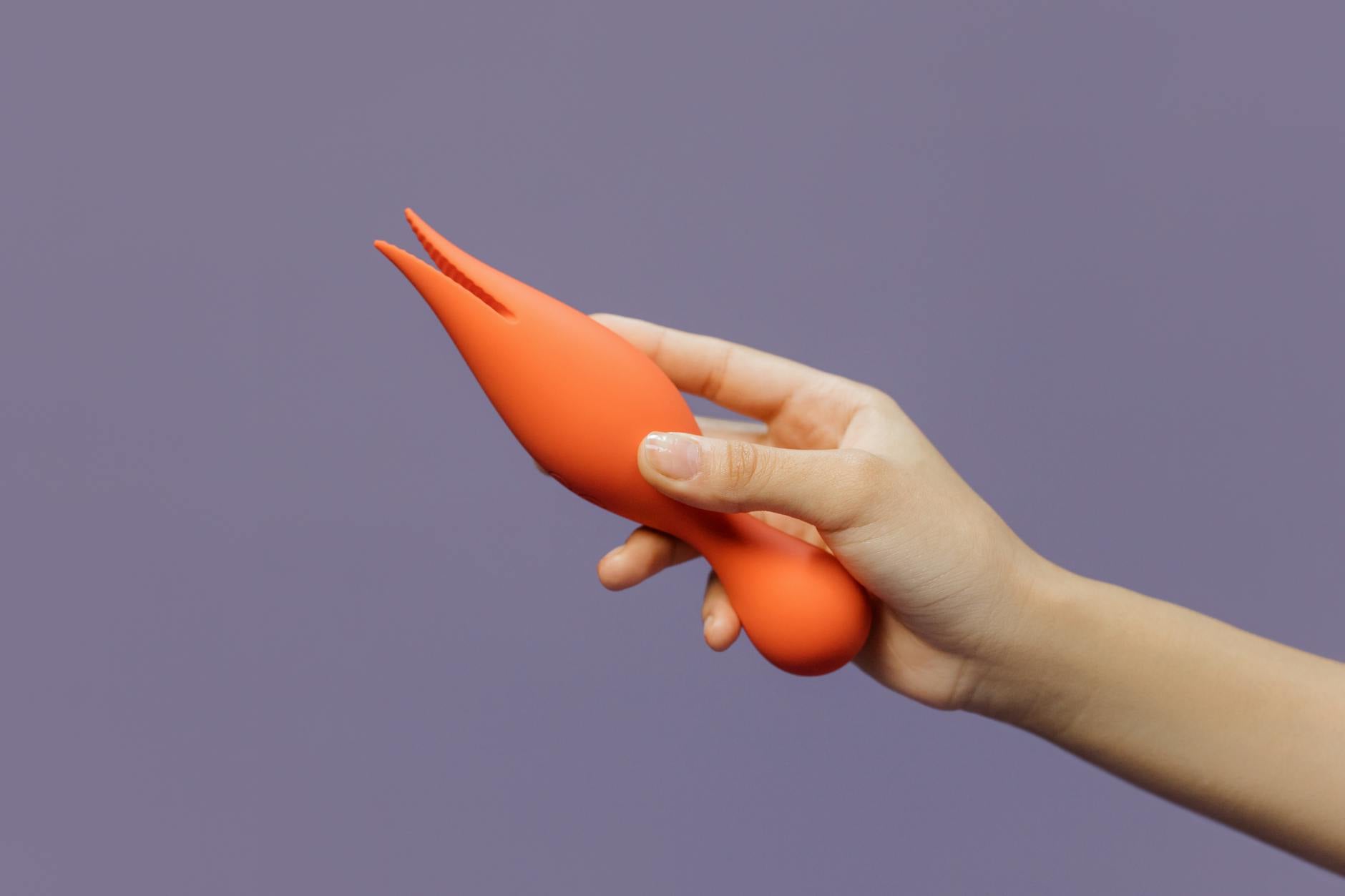
Most vibrators rely on simple oscillation. They buzz. What makes lemon vibrators and the Lem specifically different is the suction and air-pulse mechanism. Instead of vibration alone, they create a rhythmic vacuum that stimulates the entire clitoral complex (not just the external tip). This matters because it:
Reaches deeper tissue. Suction activates nerve endings throughout the clitoral body, not only the surface. Many people with numbness respond to this broader stimulation pattern when traditional vibration doesn't register.
Changes the stimulus type. Your nervous system habituates to repetitive signals. Switching from vibration to suction is like changing the language your nerves hear. Even if you've become desensitized to one pattern, a different pattern can break through that adaptation.
Increases blood flow more effectively. The rhythmic suction mechanism pulls blood into the tissue, which oxygen-deprives the area and then floods it with oxygen when the suction releases. This pumping effect rewakes sleeping nerve endings better than vibration alone.
Clitoral sensation doesn't return all at once. Rewiring takes 2-4 weeks of consistent, gentle use. Here's how to approach it.
Week one: ultra-low intensity. Start with the Lem on pattern 1 (the gentlest setting). The goal isn't orgasm. It's simply to expose your nerves to stimulation in a way that doesn't trigger defensive adaptation. Spend 10-15 minutes focusing on what you can feel, even if it's minimal. Any sensation is information.
Week two: expand the range. Move through patterns 2-4, spending 2-3 minutes on each. Notice where sensation appears first (often the sides of the clitoral body before the tip). This isn't about pleasure yet. It's about mapping.
Week three: introduce alternation. Use pattern 1 for two minutes, then pause for 30 seconds. Then pattern 2. Then pause. The on-off rhythm prevents habituation and rebuilds the neural responsiveness that numbness suppressed.
Week four and beyond: slow integration. By now, sensation usually starts returning. You might feel tingling, warmth, or a nascent pleasure signal. Don't rush back to high intensity. Stay at medium patterns for another 1-2 weeks. Your nervous system needs time to rebuild trust in sensation.
If you've tried the protocol above and sensation isn't returning, pelvic floor tension is likely the blocker. Many people with clitoral numbness hold chronic tension in the pelvic floor without realizing it. You might clench during stress, sex, or even while working.
Try this: place your fingers about two inches inside your vagina (if that's comfortable). Identify the muscle. Now intentionally relax it. If you can't relax it, or if you only partially relax it, you've found your problem.
A pelvic floor physical therapist is your next step. They use manual release techniques and biofeedback to help you recognize and release tension you've been holding unconsciously. This often unlocks sensation faster than anything else.
While you're addressing pelvic floor tension, continue using your lemon vibrator, but at ultra-low settings. The suction rhythm actually helps teach your pelvic floor to relax. It's why people with numbness often report breakthroughs after combining PT with vibrator use.
Most clitoral numbness is behavioral or hormonal and highly treatable. But in some cases, it points to something that requires medical attention.
See a healthcare provider if numbness appeared after spinal injury or surgery, if it's accompanied by widespread numbness elsewhere on your body, if it's painful rather than numb, or if it followed a sudden event (like a fall or pelvic trauma). A gynecologist or neurologist can run tests to rule out structural or nerve damage.
Also get it checked if medication timing aligns perfectly with numbness onset. Your prescriber might adjust your dosage or switch you to an alternative that has fewer sexual side effects. Many people don't know this conversation is possible.
Here's what partners often get wrong: they assume numbness is about them. It's not. It's a physiological signal that something is out of balance in your nervous system. Your partner's job isn't to "fix" your sensation. It's to give you space and consistency to rewire it.
Which means during the rewiring phase, solo use of your lemon vibrator is actually more effective than partnered sex. Your nervous system relaxes more deeply when there's no performance expectation. Without that pressure, the rewiring can happen faster.
Once sensation starts returning (usually by week 3 or 4), you can reintroduce partnered touch, but slowly. Let your partner know that you're rebuilding sensation and that you need to control the pace. This usually means you guide their hand or use your vibrator while they offer touch elsewhere, building back to direct stimulation as comfort grows.
Most people notice subtle shifts within 1-2 weeks and more clear sensation by week 3-4. But the rewiring timeline varies. If numbness comes from pelvic floor tension, you might need 6-8 weeks of consistent work plus pelvic floor PT. If it's medication-related, change happens only if you modify the medication (talk to your prescriber first). Hormonal numbness sometimes requires low-dose topical estrogen to shift, depending on what's driving it.
Yes, and you should. Even if you feel absolutely nothing right now, your nerves are registering stimulation. Sensation is rebuilding at a level below conscious awareness. Stay consistent and patient. The feeling will surface.
Completely normal. Pins and needles or tingling is actually a good sign. It means nerve endings are waking up. It's not painful (unless there's genuine nerve damage, which is rare). The sensation usually resolves within days as your nervous system fully re-establishes communication.
No. You should avoid high-intensity vibrators. But low-intensity suction-based stimulation like a lemon vibrator actually accelerates rewiring because it's gentler on adapted nerve endings. Harsh vibration can make numbness persist longer.
Partial numbness often maps to pelvic floor tension on one side. It can also follow childbirth trauma or asymmetrical scar tissue. A pelvic floor PT can assess this. In the meantime, focus your lemon vibrator use on the numb area during rewiring. Stimulating the deadened zone intentionally signals your nervous system to restore connection there.
During acute numbness, usually not. But that changes as you rewire. Many people report their first orgasm after numbness as one of their most intense ever, because the anticipation and the return of sensation create a powerful reset. Be patient. Orgasm will return, but it's not the goal during rewiring. Sensation is.
Clitoral numbness feels like a permanent problem because it isolates you from a part of yourself that felt alive before. But numbness is a message, not a verdict. Your body is telling you something is out of balance. The protocol above addresses most cases. The Lem's design is specifically engineered to rewaken numb tissue because it works with sensation thresholds instead of overriding them.
Start this week. Get your lemon vibrator, commit to the four-week protocol, and track what shifts. If sensation hasn't budged by week 4, schedule a pelvic floor PT evaluation or talk to your doctor about medication timing. Most of the time, one of those interventions unlocks the breakthrough.