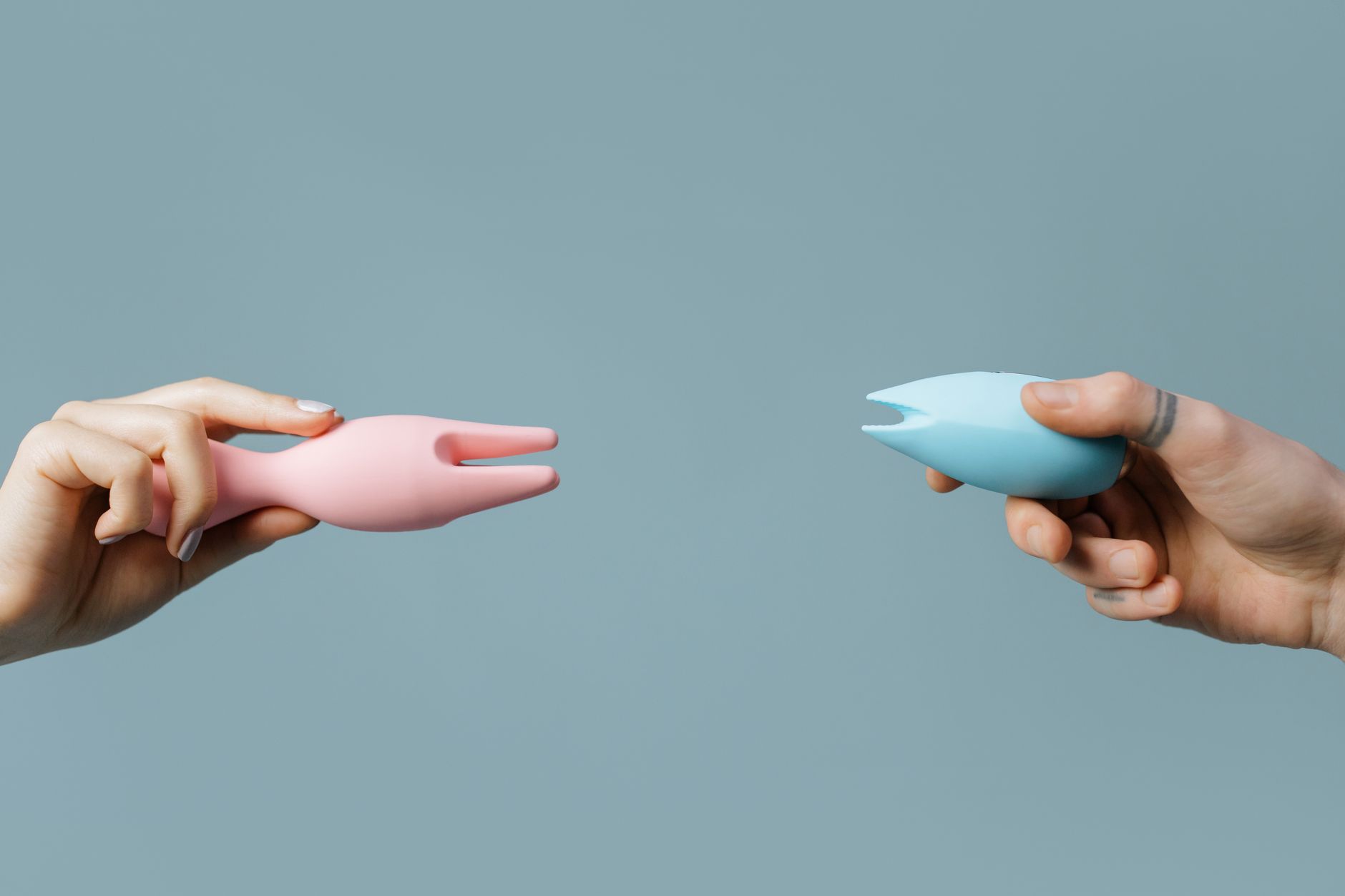
You're aroused. Your clitoris responds. But somewhere between the physical sensation and the emotional experience, the connection breaks. Your partner is there, the lemon vibrator is working, your body is doing its job. And yet you feel like you're watching yourself from outside the room.
Here's the surprising part: physical arousal and emotional intimacy use different neural pathways. Your body can light up while your emotional availability stays dark. This happens more often than anyone talks about, and it's often a sign that something deeper needs attention.
Common triggers include relationship conflict that hasn't been fully resolved, resentment building underneath the surface, trust erosion from broken commitments, and the simple fact that you feel unseen or unheard in the relationship. Sometimes it's situational, like the exhaustion of parenting or caregiving. Sometimes it's a sign that the emotional foundation needs rebuilding.
The clitoral vibrator itself isn't the problem. The Lemon's air-suction stimulation is designed to work with your nervous system, not against it. But if your nervous system is partially in a protective state, the strongest sensations in the world won't create genuine intimacy.
Before anything else works, your body needs to know you're emotionally safe. This isn't about grand gestures. It's about small, consistent moments of being truly present with your partner.
Try this: spend five minutes before intimacy in conversation that has nothing to do with sex. Not the logistics of the day or problem-solving, but actual connection. Ask your partner something that requires a real answer. Listen to their response. Let them listen to you. This sounds simple because it is. But it shifts your nervous system out of performance mode and into presence mode.
When you're present, arousal and intimacy stop competing. They actually support each other.
If you're already in bed and you notice the disconnection, pause. This isn't failure. It's information. Here's what I recommend:
Stay with sensation, not performance. Put the lemon vibrator down for a moment. Touch your partner's skin without any goal. Notice texture, temperature, the actual physical sensation of them. This reorients your nervous system toward real connection instead of the abstract idea of what sex is supposed to feel like.
Name what you're experiencing. Tell your partner, "I feel a little distant right now, and I want to reconnect." You don't need to diagnose the entire relationship in that moment. You just need honesty. Most partners respond to vulnerability with presence, and presence creates intimacy.
Slow everything down. Arousal built fast often feels hollow. Arousal built through gradual, consistent attention to each other, feels real. If you're using the Lemon, start at a lower setting and build slowly. Let your nervous system catch up to your body.
Look at your partner. This sounds obvious, but during sex, many people stare at the ceiling or close their eyes. Eye contact is one of the fastest ways to trigger emotional bonding. It's uncomfortable at first. Do it anyway.
Sometimes, clitoral arousal without emotional intimacy is your body's way of telling you something is wrong in the relationship. This is valuable information.
If you consistently feel disconnected during sex, ask yourself these questions privately first. Do you feel heard in everyday conversations? Do you trust your partner's commitment? Are you making decisions together, or is one person steamrolling the other? Do you feel desired, or just used? Does your partner know what actually matters to you, or are they guessing?
If the answers feel unsettling, a good couples therapist can help you rebuild what's broken. This isn't a sign of failure. It's a sign that you care enough to fix it. Using a lemon vibrator is a lovely part of the solution, but it's not the whole solution. The whole solution is building genuine partnership.
Have this conversation outside the bedroom first. Tell your partner you want to feel more connected during sex, and ask them what they need to feel more connected too. Most people will tell you something real if you ask directly.
Then, together, try one of these:
Create a pre-sex ritual. Maybe it's ten minutes of massage. Maybe it's showering together. Maybe it's slow dancing. The content doesn't matter. Consistency does. Your nervous system learns safety through repetition.
Check in about pressure. Ask if there's external pressure that's making sex feel obligatory. Sometimes clitoral disconnection happens because sex has become a chore instead of a choice. Removing the obligation often restores the desire.
Explore what makes you feel seen. For some people, it's being asked what they want and having their partner actually listen. For others, it's specific words, or specific touch. Tell your partner. Let them know you.
If you're not in a place where you can have these conversations yet, start with yourself. Use the Lemon privately and pay attention to what you actually feel, without anyone else's expectations in the room. Does solo arousal feel different? If yes, that's telling you something about your relationship. If no, that's also information.
Solo pleasure is not a substitute for fixing relationship issues. But it's a place to reconnect with your own body and your own desires, separate from anyone else's needs. This clarity often helps you articulate what needs to happen for genuine intimacy to return.
Your brain has different operating systems. One handles physical sensation and arousal. Another handles emotional bonding and trust. When these systems work together, sex feels whole. When they're misaligned, you get the strange sensation of arousal without connection.
Oxytocin (sometimes called the bonding hormone) builds slowly through emotional safety and consistent presence. Genital arousal can happen much faster, especially with devices designed to stimulate effectively. The Lemon is very good at its job, which is partly why the disconnect feels so jarring. Your body is responding in real time, but your emotional system hasn't caught up.
If you've tried rebuilding emotional safety, had honest conversations with your partner, and still feel disconnected during sex, it might be time to talk to someone. Not because something is broken with you. But because persistent emotional-physical misalignment often signals something that deserves professional attention.
A couples therapist who works from an attachment-based approach can help you both understand why you're protecting yourselves during sex. A solo therapist can help you understand your own attachment patterns and what intimacy actually means to you.
Neither of these conversations is failure. They're the opposite. They're you saying: I want to feel whole during sex. I want to be truly connected. I deserve that.
The lemon vibrator is a tool. A genuinely excellent one. But no tool creates intimacy by itself. Intimacy comes from two people choosing, repeatedly, to show up as themselves. To be honest about what they feel. To listen instead of perform.
When you use the Lemon from that place of genuine connection, pleasure becomes something different. It becomes a conversation between you and your partner instead of something happening to you while they watch. It becomes an expression of something real.
Start there. Everything else builds from connection.
Your nervous system has learned to protect you by separating sensation from feeling. This happens when there's been a breach of trust, ongoing conflict, or when sex feels obligatory rather than chosen. Your body responds automatically, but your emotional self holds back to stay safe. This is actually protective in the short term. It becomes a problem when it prevents real intimacy long-term.
Yes, but indirectly. The Lemon can shift the focus from performance to pleasure, which often creates more relaxation and presence during sex. When you're less focused on achieving an orgasm and more focused on actually feeling sensation, you're more available emotionally. That availability is where real connection happens.
It's worth having a direct conversation outside the bedroom. Tell them: "I want to feel more connected during sex. This isn't about you not being attractive or doing anything wrong. It's about me needing to feel more emotionally safe." Most partners appreciate this clarity far more than silence or pretending to enjoy yourself. It gives them something real to work with.
Not automatically. It's a sign that something needs attention. Sometimes that's rebuilding emotional safety after conflict. Sometimes it's learning better communication. Sometimes it's realigning expectations about sex itself. Many couples move through this and end up with stronger intimacy on the other side. The key is not ignoring it.
That depends on what broke and why. If it's situational stress, shifts can happen in weeks. If there's been deeper betrayal or neglect, it takes longer. Consistency matters more than speed. Small moments of genuine connection add up over months until your nervous system starts to trust again.
That's a harder question, and it deserves honesty. If you've genuinely fallen out of love, intimacy will feel hollow no matter what tools you use. But sometimes what feels like lack of love is actually lack of safety or a build-up of unprocessed resentment. Before you assume love is gone, talk to someone who can help you untangle what you're actually feeling. You might surprise yourself.