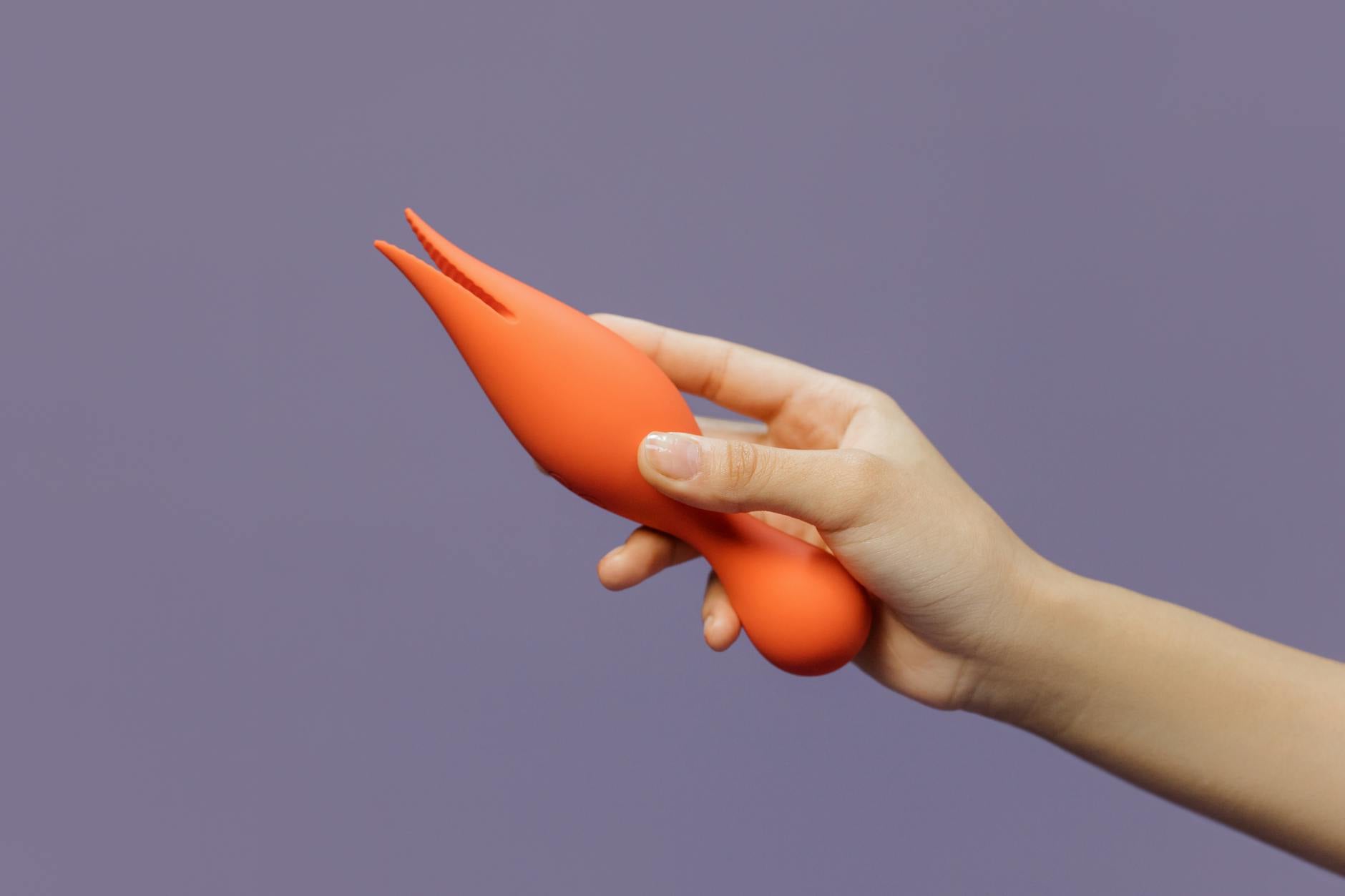
How to Choose Between Lemon Vibrators and Other Clitoral Vibrators
Suction feels wildly different from vibration. Here's what that means for your body, what science actually shows, and how to figure out which type will work best for you.
There are basically two categories of clitoral toys: vibrators and suction devices. Most people assume they're the same thing. They're not. Understanding the difference isn't just trivia. It's the foundation for knowing what will actually work for your body.
Lemon vibrators use suction and gentle pulsing. Traditional vibrators use rapid oscillation. Both stimulate the clitoral tissue, but they do it in totally different ways, and your body responds differently to each one.
Here's the actual science, the real differences, and how to pick between them.
When you use a traditional vibrator, it creates rapid movement against your clitoris. It's direct mechanical stimulation. The sensation is intense, immediate, and for some people, too much.
Suction works differently. It creates a gentle pressure differential that stimulates the clitoral bulb and surrounding tissue without direct friction. Think of it like the feeling of cupping your hand and slightly drawing air. The tissue responds, but it's not being abraded. This matters because clitoral tissue is delicate, especially for people with sensitive vulvas or those recovering from inflammation.
Traditional vibrators excel at broad stimulation. Suction devices like lemon clitoral vibrators excel at precision. The sensation is concentrated and can feel more nuanced to some people, more subtle to others.
I work with a lot of people who say they've never had an orgasm with a vibrator, or that vibration feels numb or almost painful. When they try a lemon sucker or similar suction device, everything shifts.
Three reasons this happens:
1. Different nerve activation. Your clitoral nerves respond to pressure and suction differently than they do to vibration. Some nerve endings prefer one or the other. If vibration has never worked for you, it's not a personal failure. Your body might simply respond better to a different stimulus.
2. Less numbing sensation. Rapid vibration can desensitize tissue after prolonged use. Suction stimulates without that same fatigue effect, which is why some people find they can sustain sensation longer and reach stronger orgasms.
3. Reduced sensory overwhelm. People with sensory sensitivities often find suction gentler than vibration. The pulsing rhythm of a lemon vibrator can feel easier to process than the intense buzz of a traditional vibrator.
This doesn't mean suction is universally better. Some people adore vibration and find suction weird or uncomfortable. Your preference isn't universal. It's biology.
If you already have a vibrator you love, this probably isn't the moment to switch. But here's when traditional vibration is genuinely your best bet.
You need broad, fast stimulation. Vibrators cover more surface area. If you like diffuse clitoral stimulation rather than targeted pressure, a vibrator gets there faster.
You prefer intense sensation. Vibration creates a more intense sensation for most people. If you like that intensity and you're not experiencing numbness or pain, stick with vibration.
You have a shorter arousal window. Vibrators typically build to orgasm faster than suction devices. If you have limited time or need efficiency, vibration is the faster route for many people.
You're using it with a partner. Traditional vibrators are easier to position during partnered sex because they don't require the same seal that suction devices do. You have more flexibility in angle and placement.
Lemon clitoral vibrators and similar suction toys shine in specific situations.
You have numbness or reduced sensation. This is the single biggest reason I recommend suction devices. If vibration hasn't been working for you or your sensation feels dull, the precision of suction often cuts through that in ways vibration doesn't.
You're sensitive or dealing with irritation. If your clitoris feels sore after vibrator use or if you have vulvodynia or similar conditions, suction removes the direct friction that can aggravate things. You get stimulation without the mechanical pressure.
You want to explore different orgasm patterns. Some people report that orgasms from suction feel different. Not better, just different. More concentrated, sometimes longer, sometimes more localized. If you're curious about expanding your range, this is worth trying.
You've hit a plateau with vibration. If your body has adapted to vibration and you're not reaching orgasm the way you used to, switching to suction can reset your nervous system's response. Your body responds differently to different stimuli.
You want finer control over intensity. Lemon vibrators typically offer multiple intensity levels that feel genuinely distinct from each other. Traditional vibrators often feel like "a little buzzy" or "very buzzy." If you like granular control, suction devices usually deliver it.
Honestly? If you're just starting out, pick one and get really familiar with it. You need to understand your baseline before you start comparing.
But if you've been exploring for a while and you know your body, having both is smart. Your preference changes depending on your arousal level, where you are in your cycle, your stress level, and a hundred other variables. A tool that works brilliantly one week might feel off the next.
I've worked with plenty of people who keep a lemon vibrator for precision and depth, and a traditional vibrator for when they want faster results or broader stimulation. They're not competing. They're serving different needs.
Beyond the suction versus vibration question, what something is made of matters.
Medical-grade silicone is the standard for most quality lemon adult toys and clitoral vibrators. It's non-porous, easy to clean, and durable. It also feels warm and slightly soft, which some people prefer over firmer materials.
If you've had bad reactions to silicone toys in the past (which is rare but does happen), thermoplastic elastomer (TPE) exists but requires more careful cleaning. Medical-grade silicone is usually the safest bet.
Feel matters too. The ridges on some suction devices create texture variation that some people love. Others find it distracting. Handle a toy if you can, or read detailed reviews from people with similar preferences to yours.
Lemon vibrators and suction devices require a proper seal to work. That sounds obvious but it matters in practice. If you're using it with a partner or in positions that make a seal difficult, you might find yourself frustrated. Traditional vibrators work at any angle.
Also, if you're using it with water play, check the waterproofing specs carefully. Some suction devices are water-resistant. Some are fully waterproof. It varies.
Absolutely. In fact, many people find suction devices easier to build a first orgasm with because the sensation is different enough from manual stimulation that it can spark something new. Start on the lowest setting, give yourself at least 15 minutes, and don't pressure yourself about outcome. The point is exploration.
No. They feel different. Some people prefer the sensation, some don't. There's no objective "better." It's about what works for your body. Some people will never connect with suction. Others find traditional vibration overwhelming. This is personal preference, not quality difference.
Then you probably have range in your nervous system and you enjoy variety. Some people prefer one depending on context. Some people layer them together. Some rotate based on mood. All of this is normal.
Yes, but positioning matters. The seal required by suction devices means you need to be intentional about angles if you're also using penetrative stimulation. Many people find they work best as foreplay or supplementary stimulation rather than during penetration.
Start with what you already know about your body. If vibration has never worked, lean toward suction. If you're new to this, read reviews from people with similar bodies or sensitivities to yours. Then try it. Your body will tell you pretty quickly if it's a good fit.
Sometimes. Suction can bypass some numbness that vibration can't reach. But if numbness is medication-related, it's worth checking with your doctor about whether your dose or type of medication could shift. The toy can help, but it might not be the whole solution.
Here's what I tell people: your first toy should match what you already know about your body. If you've never tried anything, start with whichever option sounds more appealing. If vibration has disappointed you, suction is worth exploring. If you want intensity and speed, traditional vibration probably works better.
There's no wrong choice here. There's only what matches your body, your preferences, and your needs right now. Those preferences might shift over time. That's normal.
The goal isn't to find the "best" clitoral vibrator. It's to find the one that makes you feel good. Everything else is just details.
Want personalized recommendations based on your specific situation? Reach out and let's talk about what might work best for you.