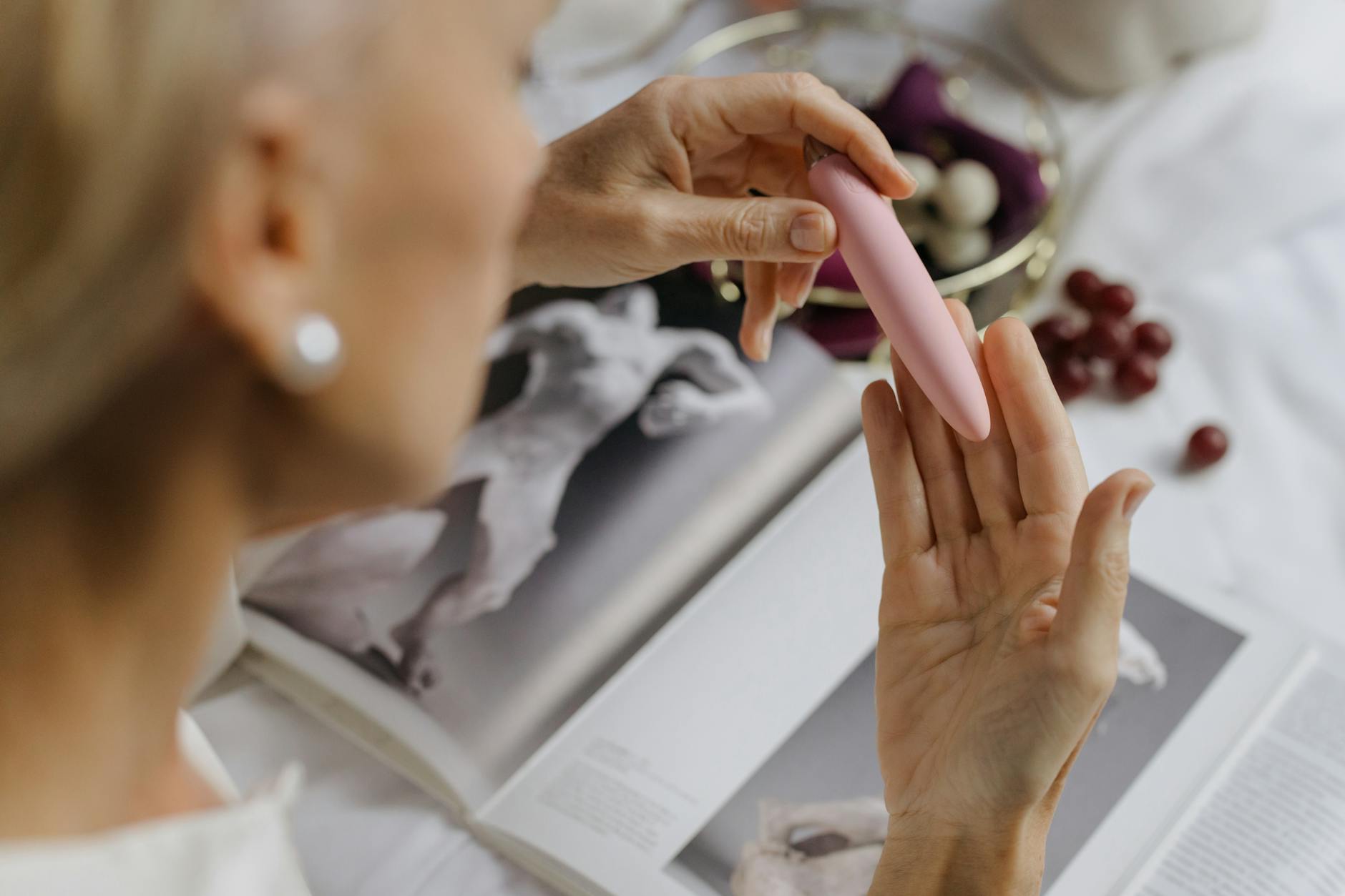
How Lemon Vibrators Help When You Feel Disconnected After Extended Time Apart
Long separations rewire your nervous system. Here's how clitoral vibrators help reset sensation, rebuild trust in your body, and make intimacy feel possible again.
Months without touch do something weird to your nervous system. It doesn't just turn off. It goes into a kind of protective crouch. Your brain stops expecting pleasure signals from your genitals, your pelvic floor tightens defensively, and even when the opportunity for intimacy returns, your body doesn't automatically remember how to receive it. That's not dysfunction. That's your body doing exactly what it was designed to do under perceived threat. And it's completely reversible.
The problem is that most people blame themselves. "Why can't I just relax?" or "Something's wrong with me now" becomes the narrative. But what's actually happening is neurological, not psychological. Your pathway from stimulation to pleasure has gone a little quiet. It needs reactivation, not judgment.
After extended absence from pleasure, your sympathetic nervous system (the fight-or-flight branch) stays elevated. Your body is still scanning for threat, even when the threat is gone. This shows up as difficulty getting aroused, difficulty maintaining arousal, difficulty reaching orgasm, or sometimes a complete emotional numbness where pleasure used to live.
Clitoral vibrators like those from The Lemon Intimacy work because they bypass some of that protective mechanism. Direct, consistent stimulation to the clitoris sends a clear signal to your nervous system that says, "This is safe. This feels good. Pay attention." It's not about forcing an orgasm. It's about reintroducing your body to the experience of receiving sensation without judgment.
Here's the thing: your clitoris has about eight thousand nerve endings. That's more than your fingertips. When you haven't used that neural pathway in months or years, reactivating it takes time and repetition. Vibration accelerates that process because it provides consistent, measurable input that your nervous system can recognize and respond to.
The suction-based design of lemon vibrators creates a gentler introduction to pleasure than traditional wand or bullet vibrators. If your pelvic floor is tight and protective (which it almost always is after time apart), direct intense vibration can actually increase tension. Suction creates stimulation through negative pressure instead, which feels less invasive and allows your body to gradually release that protective grip.
Start on the lowest setting. You're not trying to reach an orgasm in five minutes. You're retraining your nervous system to recognize and tolerate pleasure. That takes sessions, not one evening. Many people find that after three to five solo sessions with a lemon vibrator, their body begins to settle. The pelvic floor softens. Arousal starts to feel possible again.
The other advantage is psychological. Using a lemon vibrator solo first gives you control over pace, pressure, and when you stop. You're not waiting for a partner to understand what your body needs right now. You're not performing or managing someone else's experience. That autonomy matters hugely for nervous system regulation. When you're ready to bring a partner back into the picture, your body already knows what "yes" feels like again.
First sessions often feel strange, not amazing. You might feel numb or distant from sensation. You might feel like something should be happening but isn't. This is normal. Your brain is checking whether this input is actually trustworthy. Keep going. By session three or four, most people report that sensation begins to sharpen. By week two, many describe a kind of awakening. The pathway reconnects faster than you'd expect.
If you're in a relationship and rebuilding this together, the solo phase is crucial before partner play resumes. I recommend three to five self-directed sessions with your lemon vibrator before inviting your partner to participate. This prevents the common trap where performance anxiety and partner expectations reintroduce the original protective mechanism. You need to know in your own body first that pleasure is accessible again.
When your partner does join, start with you holding the vibrator. Let them touch you elsewhere. Make it collaborative rather than him-doing-to-you. Control matters. Once your nervous system trusts that you can stop anytime, the entire experience becomes less pressured.
After time apart, your pelvic floor almost certainly got tighter. This is true whether you had tension before or not. The extended absence from pleasure creates protective muscle tension you're often not even aware of. Kegel exercises (the squeeze-and-release ones) aren't the answer here. You don't need your pelvic floor stronger. You need it softer.
Lemon vibrators actually help with this naturally. As stimulation continues, most people's pelvic floors gradually release. Consciously trying to relax it usually backfires. But when something feels genuinely good and safe, your body lets go. That's why consistency matters more than intensity. One intense session won't do it. Regular, gentle, pressure-free sessions will.
Some people benefit from pairing lemon vibrator use with pelvic floor release techniques. Focus on slow breathing. Imagine the muscles around your vagina softening with each exhale. This isn't mystical. It's how your parasympathetic nervous system (the rest-and-digest branch) actually works.
Most couples rush this part. They're eager to get back to "normal." But normal was sometimes part of what created distance in the first place. This reconnection phase is actually an opportunity to build something better.
Weeks one through two: solo exploration with your lemon vibrator. No pressure for partner participation. Build your own confidence first.
Weeks three and four: introduce your partner. Start with non-penetrative partner play using your vibrator. Let them see it, hold it sometimes, but keep you in control of the pace and intensity.
Weeks five and beyond: gradually expand. This might be partner exploration with the vibrator inside partnered sex, or solo vibrator use during partnered sex, or plenty of other variations. The key is gradual expansion, not a sudden jump back to how things used to be.
Your nervous system needs time to trust that the threat (whether that was absence, infidelity, work stress, health issues, or anything else that created distance) won't return. Patience with that timeline is actually what rebuilds the intimacy you're trying to recover.
Here's what I see in my practice: the physical reconnection often moves faster than people expect, but the emotional layer can linger longer. Your body might respond beautifully to a lemon vibrator within weeks. But emotionally, you might still be carrying hurt or resentment about the time apart.
These are two separate processes. Your clitoris doesn't carry the grudge your heart does. Pleasure can return long before trust fully repairs. That's not a sign something's wrong. It's actually the system working as designed. Honor both timelines. Use the physical reconnection to build momentum while you're also doing the deeper relational work, whether that's with a therapist, a couples counselor, or patient conversations with your partner.
Most people report noticeable shifts within three to five sessions, usually within two weeks of consistent use. Full nervous system reset and deep pelvic floor softening can take four to eight weeks. Individual timelines vary based on how long the absence was, whether there's relational trauma involved, and whether you're managing other stressors. Patience matters here. Two months is still relatively fast on a body-healing timeline.
Not if you approach it as part of your reconnection work, not a replacement for your partner. The best frame is transparent: "I'm using this to help my body remember how to feel pleasure again, so that we can reconnect better." Most partners actually appreciate knowing there's a plan and that you're actively working on rebuilding intimacy rather than waiting passively or giving up. If your partner feels threatened by solo vibrator use, that's worth exploring in couples therapy, because it usually points to deeper trust or control issues that a vibrator didn't create.
Orgasm isn't always the goal of reconnection, and sometimes focusing on it actually prevents it. If sensation is returning, arousal is building, and pleasure is accessible but orgasm isn't happening, that's often just a nervous system that needs more time or a pelvic floor that's still protective. Some people benefit from reducing the goal entirely. "I'm using this to feel good" beats "I'm using this to come." Orgasm often follows naturally once the pressure around it lifts. If it doesn't return after eight to twelve weeks, that's worth discussing with a pelvic floor physical therapist or a sex-informed therapist.
Yes, almost always. After extended absence from sexual activity, your natural lubrication often takes time to return. Using a water-based lubricant helps your body understand that this is safe and enjoyable, which ironically often helps natural lubrication return faster. Don't see lube as a sign something's wrong. See it as support for your nervous system to recognize safety and settle into pleasure.
If the separation had relational causes (infidelity, conflict, health issues in the relationship), solo first is almost always better. It lets you rebuild your own sense of sexual agency and pleasure independent of the dynamic that created distance. If the separation was situational (long-distance work, caregiver responsibilities, illness), partner involvement from early on can be fine as long as you're both clear that pace matters. Generally, I recommend at least two to three solo sessions first, regardless. Your body needs to remember it's capable before it has to perform or manage another person's experience.
No. This is a persistent myth with zero evidence. What does happen is that your nervous system learns exactly what kind of stimulation works for your body. That information is useful with a partner, not limiting. Many people find that after rediscovering orgasm with a lemon vibrator, they're better able to communicate what they need during partnered sex. The vibrator becomes a tool for self-knowledge, not a substitute for connection.
Reconnecting after months or years apart is possible. Your body hasn't forgotten how to feel pleasure. Your nervous system has just learned to protect you. Lemon clitoral vibrators provide a safe, consistent way to signal to your nervous system that pleasure is available again. Consistency matters more than intensity. Patience with the timeline means you end up with something better than what existed before. If you're ready to start the reconnection journey, reach out to us to learn more about how The Lemon Intimacy vibrators can support your healing process.