Here's what nobody tells you about orgasm intensity
Your orgasms feel flatter. Less electric. Less like your whole body is lit up and more like someone dimmed the lights. And you're wondering if this is permanent. It's not.
Science
Your orgasms didn't disappear. The intensity just changed. Here's why, and how air-suction stimulation restores the sensation you're missing.
Your orgasms feel flatter. Less electric. Less like your whole body is lit up and more like someone dimmed the lights. And you're wondering if this is permanent. It's not.
Orgasm intensity is one of the most direct casualties of hormonal change. Estrogen drops, progesterone shifts, testosterone (yes, you produce it) declines. The pelvic floor loses vascularization and elasticity. Blood flow changes. Tissue remodels. The nerve pathways stay intact, but the electrical amplification system gets quieter.
The good news: lemon clitoral vibrators and air-suction devices work specifically by bypassing what hormones changed and redirecting stimulation straight to what never left. Your clitoral nerve density. Your capacity for pleasure.
Orgasms aren't one thing. They're a cascade. Your brain sends a signal, blood rushes, muscles contract in a specific rhythm, and that rhythm echoes. Each contraction triggers the next. Intensity is about how forceful and frequent those contractions are and how much sensation you feel during them.
Estrogen thickens vaginal tissue and keeps it lubricated. This tissue responds faster to touch. Lower estrogen means slower arousal and less of that "snapping" response. Testosterone drives desire and clitoral sensitivity. Less testosterone means the clitoris doesn't engorge as fully. Progesterone changes how your nervous system interprets sensation. When it drops, some sensations feel muted.
But here's the clinical part that actually matters: the clitoris has 8,000 nerve endings. Hormones don't delete them. They don't stop firing. What changes is the amplification. Think of it like turning down the volume on a speaker. The music is still playing. You just can't hear it as loudly.
Traditional vibrators work through vibration and friction. They shake or move against tissue. Both of those methods rely on sensitivity in the top layers of tissue. When hormones shift, that tissue becomes thinner and more fragile. Direct friction can actually feel uncomfortable.
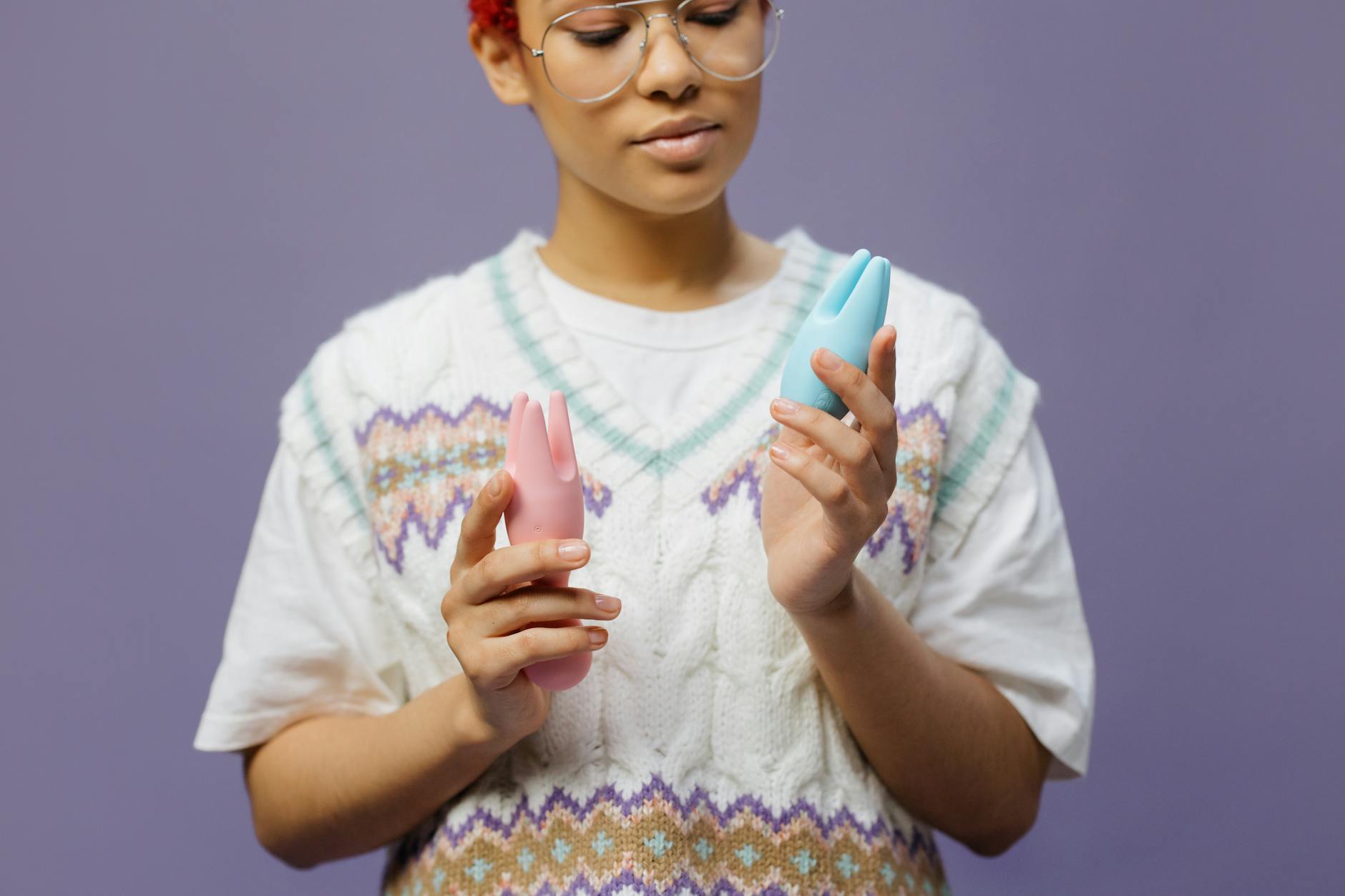
Lemon vibrators use air-suction technology. They create a gentle seal and release suction pulses instead of vibration. This stimulates the entire clitoral structure, not just the surface. The suction pulls blood into the tissue, engorgement happens faster, and the sensation reaches deeper nerve endings that friction never quite reaches.
For people experiencing reduced orgasm intensity, this matters hugely. You're not just stimulating a flatter surface. You're promoting full clitoral engorgement and reaching nerve pathways that still have full sensitivity. The intensity comes back because the entire structure is responding, not just the parts friction can reach.
Start with the lowest setting. Suction at pattern 1 or 2 feels gentler than it sounds. You're not using this tool to "make up" for lost intensity through force. You're using it to help your body access engorgement.
Spend 5 to 10 minutes in the warm-up phase. Arousal takes longer when hormones shift. Your tissues need time to respond. Let the suction work. You'll notice blood flowing in. That engorged feeling is the intensity coming back.
Go slow on intensity increases. Once engorgement starts, you can build to higher settings. But rushing to the highest setting defeats the point. The intensity you're after comes from sustained engorgement and full clitoral response, not from brute stimulation power.
Many of my clients report that their most satisfying orgasms post-hormonal-shift came from spending time in settings 3 to 5, which feel almost meditative. Not because lower intensity is better (it's not), but because it gives your nervous system space to fully register the pleasure. That registration is where intensity actually lives.
Your pelvic floor holds orgasm intensity. Those muscles contract during climax, and how strong and coordinated those contractions are affects how intense the experience feels.
Hormonal shifts weaken the pelvic floor. Lower estrogen means less structural support. That's why weak pelvic floor and reduced orgasm intensity often show up together. Kegels help, but they're only half the story. You also need to learn how to relax and release the pelvic floor fully.
When you're using lemon vibrators, pay attention to what's happening with those muscles. Are you clenching? Try to stay loose. Let the suction do the work. As you get closer to orgasm, those muscles will naturally tighten. That's fine. But the sustained baseline relaxation lets sensation build more completely. Intensity comes from the contrast between relaxation and contraction, not from constant tension.
Hormonal shifts slow the arousal cascade. This is frustrating but it's not a problem if you understand what's happening.
Your clitoral tissue needs more time to engorge. Your nervous system needs more time to dial up. Your brain needs more time to sync with what your body is doing. Budget 15 to 25 minutes instead of 5. This isn't lost time. This is the foundation for the intensity you're after.
Many people skip this because they're chasing the orgasm. But the longer warm-up is actually where the intensity gets built. You're allowing full engorgement. You're allowing your nervous system to turn up. By the time you're approaching climax, you've got more to amplify.
Lemon clitoral vibrators work best with this slower timeline. Use the first 10 minutes on lower settings, let the suction do its work, and notice what's changing in your body.
If intensity dropped suddenly and isn't responding to longer warm-ups or suction stimulation, there might be something else at play. Antidepressants, antihistamines, and several blood pressure medications can dull orgasm sensation. So can unaddressed pelvic floor tension, stress, or relationship friction.
If intensity started dropping before your hormones shifted, or if it's paired with pain or numbness, that's worth discussing with a pelvic floor physical therapist or gynecologist. Hormonal change is the most common cause. But it's not the only one.
Here's what I see in my practice: people spend money on new tools but keep chasing the orgasm they used to have. That doesn't work. The orgasm you're capable of now isn't less real. It's different.
Reduced intensity often means more textured sensation. The plateau phase might feel longer. The buildup might feel more cerebral. For some people, clitoral stimulation with suction creates a different kind of intensity than they had before. Not flatter. Different.
Give yourself permission to explore what this new sensation is instead of mourning what it was. That shifts everything. You're not trying to recreate. You're discovering.
Not exactly, but it can reach new intensity. Your body has changed. But it's still fully capable of powerful sensation. Lemon vibrators help your clitoris access engorgement and stimulation depth that you might have lost. For most people, intensity increases noticeably within 2 to 3 weeks of consistent use. It won't feel identical to before because your body is different now. But many people report intensity that equals or surpasses what they experienced before.
Orgasm sensation is usually noticeably different within the first few weeks of hormonal shift. But intensity can take 2 to 3 months to stabilize because your tissues are still adjusting. Using lemon vibrators during this window seems to accelerate the adjustment. Your body adapts faster when it's receiving consistent, gentle, engaging stimulation.
It's not fooling yourself. Air-suction stimulation creates full clitoral engorgement, which increases the range of sensation your clitoris can register. More engorgement means more blood flow, which means more nerve endings firing, which means more intense sensation. The mechanism is straightforward. The intensity increase is real, not psychological.
Lemon vibrators help with medication-related sensation dulling too, though the mechanism is slightly different. If antidepressants or other meds are muting sensation, air-suction still promotes full clitoral engorgement and reaches deeper nerve pathways. It doesn't override the medication's effect on your nervous system, but it helps your body access what sensation is still available. Some people find their way back to orgasm completely. Others find intensity that felt lost. Either way, the tool is useful.
The Lemon Clitoral Vibrator is designed for this exact scenario. Its air-suction technology creates the engorgement and deeper nerve stimulation that works best when hormonal changes have reduced intensity. Start on the lower patterns and build slowly. The suction approach means you don't need to jump to intense settings to feel the difference.
If you've been consistent (3 to 4 times per week) for 3 to 4 weeks and intensity isn't improving, it might be worth checking in with a pelvic floor physical therapist or sex-affirming gynecologist. Sometimes reduced intensity pairs with pelvic floor dysfunction or other treatable conditions. You might also explore whether stress, relationship dynamics, or mental health shifts are playing a role. Sometimes the physiological part is only half the picture.
Orgasm intensity isn't gone. It's muted. And there's a direct path to bringing it back. Your clitoris still has 8,000 nerve endings waiting to fire. Your capacity for pleasure is intact. Your tissues just need the right kind of stimulation to remember how to respond fully.
Lemon vibrators work because they work with your body's current state instead of fighting it. They promote engorgement. They reach nerve pathways that friction alone can't reach. They give your nervous system time and space to fully amplify sensation.
Your best orgasms might be ahead of you, not behind you. Start slow, stay consistent, and give your body time to remember what it's capable of. If you want to talk through what's happening or need more specific guidance for your situation, reach out. That's what I'm here for.