Hysterectomy. Oophorectomy. Fibroids removal. Endometriosis surgery. Whatever brought you to the operating table, the aftermath is rarely discussed in the recovery pamphlets you get sent home with. Doctors talk about bleeding, pain, and when you can drive. Nobody mentions pleasure, desire, or how your body might feel when you're ready to touch it again.
When surgeons work inside your pelvis, they're working in an area densely packed with nerves, blood vessels, and tissue that's all connected. Even minimally invasive procedures create inflammation and scar tissue that takes weeks or months to settle. The incisions themselves matter less than what's happening underneath.
If your ovaries were removed, you're also facing an immediate drop in estrogen and testosterone. If they were preserved, you're still dealing with surgical trauma to the tissue around them, which affects hormone production temporarily. Neither scenario means permanent loss of pleasure, but both mean your body needs time and different approaches than before.
The clitoris itself is rarely damaged in gynecological surgery because of its location and the angles surgeons work at. That's actually good news. It means the nerve pathways for arousal and orgasm are usually still intact. What changes is access to stimulation, sensation in surrounding areas, and your brain's confidence that touch is safe.
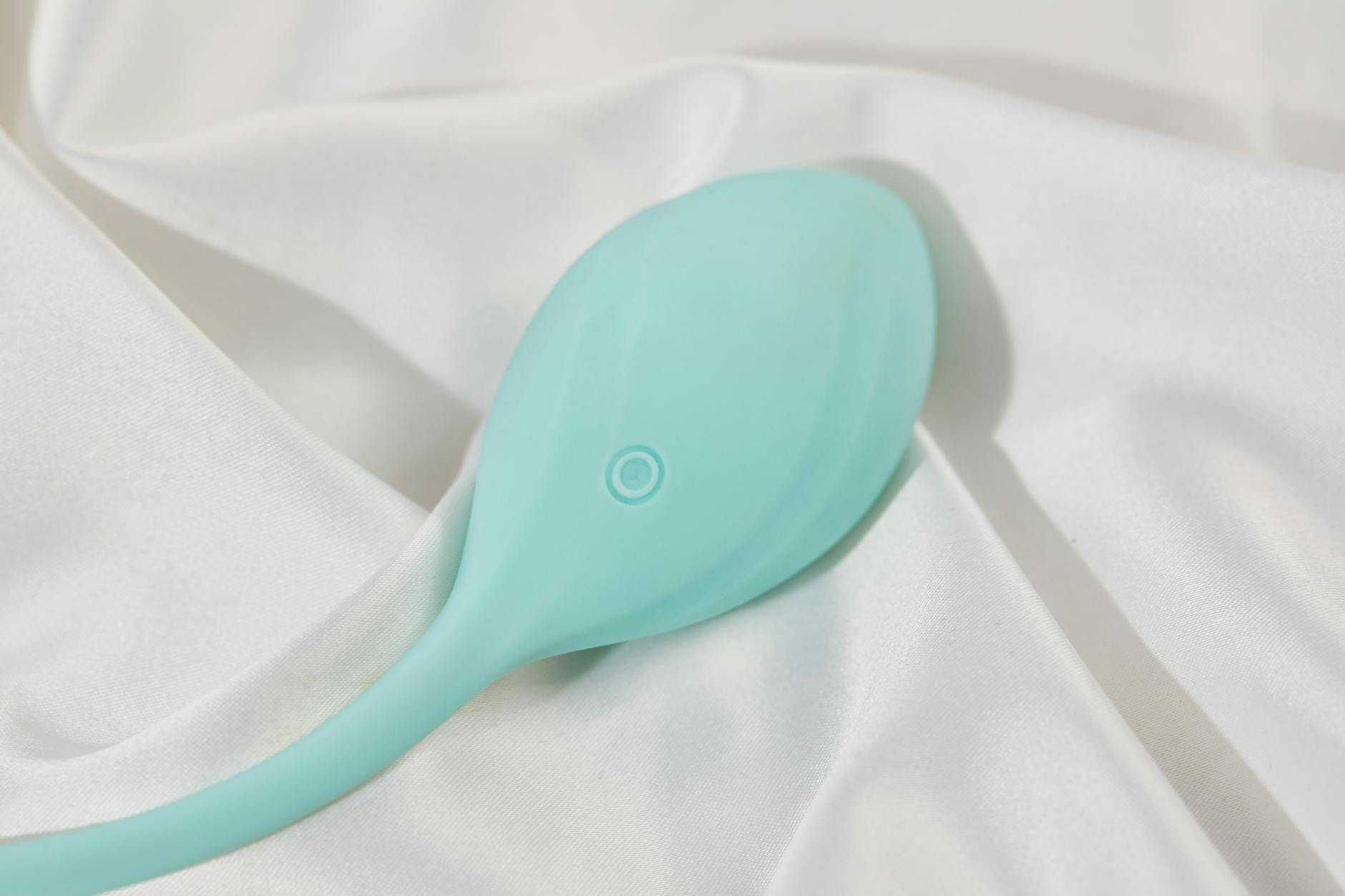
I recommend lemon vibrators to post-surgical clients for three practical reasons.
First: suction-based stimulation doesn't require the same kind of direct pressure or friction that other vibrators do. After surgery, even gentle penetration can feel uncomfortable or triggering, but external clitoral stimulation through suction can feel safe and contained. The lemon vibrator's design isolates the stimulation to the area with the highest nerve density and the least surgical trauma.
Second: the patterns on lemon sucker devices like the Lem start at very low intensities. This matters because your body's arousal threshold may have shifted. You're not less capable of pleasure. You're just starting with a nervous system that's been through trauma and needs gentle, graduated reintroduction to sensation.
Third: lemon adult toys require no insertion, no movement of your body in ways that might strain healing incisions. You can use them lying down, relaxed, without any internal pressure or positional demands. For the first weeks or months post-surgery, that gentleness is everything.
Most gynecologists clear you for sex around six weeks post-op. That clearance is about wound healing, not nervous system readiness. I've worked with many clients who were physically healed at six weeks but emotionally needed three or four months before they felt safe exploring pleasure again.
There's no "should" here. Some people are ready at eight weeks. Others need six months. Your job is to listen to what your body is actually telling you, not what the calendar says you should be ready for.
For the first two to four weeks, touching yourself might not feel appealing at all, and that's normal. Surgical trauma creates a kind of protective numbness. Around week four or five, when some of that numbness lifts, you might feel ready to explore again. If you do, starting with a lemon clitoral vibrator at the lowest setting is a low-pressure way to reacquaint yourself with sensation without the vulnerability of partnered sex.
As you heal, scar tissue forms internally. Sometimes it's minimal and asymptomatic. Sometimes it tightens tissue or creates adhesions that change how your body feels. If you notice that touch in areas that felt good before now feels numb, sharp, or uncomfortable, that's worth mentioning to your surgeon or a pelvic floor specialist.
The good news: working with sensation gradually, using something gentle like a lemon sexual toy, can help your nervous system recalibrate what's safe. You're not pushing through pain. You're sending your brain feedback that touch is possible and okay.
If you're in a relationship, communicating about this shift is non-negotiable. Your partner probably has their own feelings about the surgery, about waiting, about how your body has changed. Those feelings are valid and separate from your readiness to resume physical intimacy.
The most useful conversation isn't "when can we have sex again." It's "what does intimacy look like right now." For some couples, that means manual stimulation only. For others, it means using a lemon vibrator together while you rebuild confidence in your body. For others still, it means months of emotional and physical affection with no sexual goal at all.
If you're using a lemon clitoral vibrator for the first time post-surgery, you don't owe your partner access to that exploration. This is your body learning it's safe again. That process might be solo first. And that's the right call.
After surgery, many people report a kind of sexual anxiety. Your body has been violated, even if consensually and for good reason. Anesthesia meant losing consciousness in a medical environment. Incisions meant your body was opened. That's trauma, even when it was necessary and you consented to it.
It takes time for your nervous system to understand that touch doesn't automatically mean violation or pain. A lemon vibrator can help with that recalibration because it's something you control completely. You choose the intensity. You choose when to stop. You choose the pace. That agency matters enormously in rebuilding trust in your own body.
If you find yourself feeling anxious or triggered during exploration, pause. There's no deadline. Your clitoris isn't going anywhere. What matters is that you're moving at a pace your nervous system can handle.
If your surgery included removal of your ovaries, you're now dealing with an immediate, significant drop in estrogen. That changes tissue thickness, lubrication, and how quickly arousal builds. If your ovaries were spared, you're still experiencing a temporary hormonal dip from surgical stress, which usually resolves over two to four weeks.
You might notice that sensation feels muted, that lubrication is different, or that your arousal pattern has shifted. All of that is temporary or manageable. Water-based lubricant helps. Patience helps more. Your body isn't broken. It's adjusting.
For lemon clitoral vibrators specifically, hormonal shifts usually make the suction pattern even more helpful. Because suction doesn't depend on internal lubrication or on the intensity of natural arousal response, it bridges the gap while your hormones find their new baseline.
Your pelvic floor supports everything in your pelvis. Surgery disrupts that support. You might notice that your pelvic floor is either overly tense (guarding against pain that's no longer there) or weak (because surgery affected the muscles). Both states affect how stimulation feels.
A lemon vibrator used gently, with an awareness of pelvic floor tension, can actually help. As you experience pleasure again, your pelvic floor learns that sensation doesn't equal danger. Over time, that relaxation deepens. But in the immediate post-surgical period, if you feel sharp pain or excessive pressure, stop. That's your body telling you it's not ready yet.
Some pelvic floor physical therapists actually recommend starting with gentle external stimulation through toys once you're cleared for sexual activity, because it helps the nervous system downregulate the protective tension.
Before you start exploring pleasure again, it's worth asking your surgeon three specific questions. One: are there areas I should avoid touching while I'm healing? Two: what sensations should concern me? Three: would it be helpful to see a pelvic floor specialist before returning to sexual activity?
A good surgeon wants you to return to a full life, including your sexual life. If yours seems dismissive of those questions, that's information too.
Surgery changes your body. It changes your relationship to your body. It changes your relationship, if you're partnered. But it doesn't end your capacity for pleasure or for intimacy. Those are still available to you. They just look different right now, and that's okay.
Starting with a lemon clitoral vibrator, at whatever point feels right, is one gentle way to tell your body, "You're safe. You can feel good again." That message matters more than anything else.